 11
11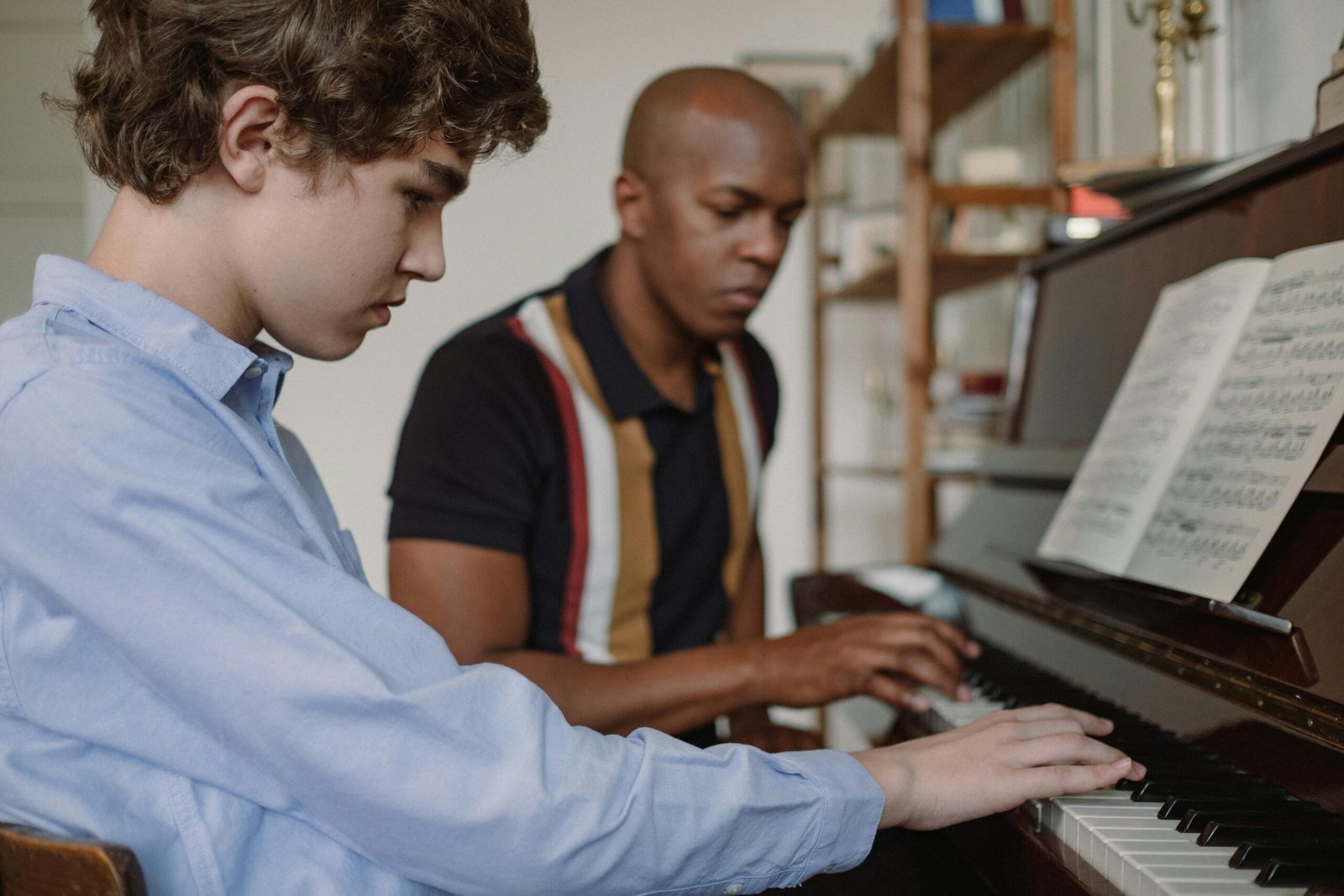
Digital culture has reshaped how knowledge is shared, learned, and valued. From streaming platforms to interactive learning ecosystems, education has moved beyond physical classrooms into adaptive, user-centric environments. Music education is no exception. As audiences increasingly seek flexible, personalized, and technology-enhanced learning experiences, online klaver undervisning has emerged not merely as a teaching method, but as a digital learning identity shaped by platforms, pedagogy, and participation.
Rather than replacing traditional instruction, this model reflects a broader shift in how skills are acquired and refined in a connected world. It combines digital storytelling, content platforms, and creator-led instruction into a scalable yet intimate educational experience. Understanding this evolution requires looking beyond tools and focusing on structure, engagement, and long-term value.
For decades, piano education followed a familiar structure: one-to-one lessons, physical sheet music, and scheduled sessions in fixed locations. While effective, this model was limited by geography, availability, and cost. The rise of digital platforms disrupted these constraints, opening new pathways for instruction and interaction.
Online learning environments introduced several structural changes:
Within this context, online piano instruction developed as a hybrid model—combining traditional musical discipline with digital accessibility. Online klaver undervisning represents this intersection, where classical pedagogy meets platform-driven engagement.
This shift aligns with broader trends in digital education, where learners prioritize flexibility, transparency, and measurable progress. The concept now functions as both an educational framework and a cultural signal of modern learning preferences.
At its core, it integrates structured curriculum design with digital delivery systems. These platforms often include modular lessons, performance tracking, and multimedia resources that adapt to different skill levels. The emphasis is not solely on content consumption, but on sustained engagement and skill development.
Key characteristics of this platform model include:
By functioning as a platform, online piano education becomes scalable while maintaining pedagogical depth. Learners are not passive recipients; they interact with material, instructors, and often a wider community of peers.
This structure reflects modern digital products where value is created through experience design rather than isolated features. In this sense, online klaver undervisning aligns closely with other content-driven platforms focused on long-term user engagement.
Instructors are no longer limited to local student bases. They function as educators, content creators, and brand stewards. Their teaching style, communication tone, and curriculum philosophy contribute to a recognizable learning identity that attracts specific audiences.
This shift mirrors patterns seen in digital storytelling and creator platforms:
The instructor’s role evolves from lecturer to facilitator of learning experiences. Authority is established through clarity, structure, and responsiveness—key elements of E-E-A-T in digital education.
As a result, learners often choose platforms based on alignment with teaching philosophy, not just technical features. Online klaver undervisning becomes an expression of educational values as much as a skill-building process.
Technology serves as the infrastructure that supports this model, but it is not the defining element. The most effective digital piano learning environments focus on interaction design and cognitive flow rather than novelty.
Core design principles include:
Video demonstrations, annotated scores, and slow-tempo practice tools allow learners to internalize technique in ways not always possible in traditional settings. Importantly, these tools support repetition and reflection—critical components of musical mastery.
In this framework, online klaver undervisning demonstrates how technology enhances, rather than replaces, human-centered instruction.
Community features—such as discussion spaces, shared performances, or collaborative challenges—create social reinforcement. This dynamic mirrors broader digital platforms where user participation strengthens retention and motivation.
Audience engagement is supported by:
These elements transform learning from a solitary activity into a collective journey. Engagement becomes a key metric of success, reflecting how well the platform aligns with learner needs and expectations.
From an analytical perspective, this community-driven approach positions online piano education alongside other interactive digital ecosystems rather than static educational products.
In a crowded digital learning landscape, trust is a differentiating factor. Learners assess credibility through multiple signals, including content quality, instructional clarity, and platform transparency.
Authoritative online music education platforms typically demonstrate:
These factors contribute to perceived reliability and long-term value. Online klaver undervisning, when executed with rigor, aligns strongly with E-E-A-T principles by emphasizing expertise, experience, and trustworthiness.
Importantly, authority is earned over time through learner success and sustained engagement, not through aggressive positioning or promotional language.
Digital education reflects changing attitudes toward skill acquisition. Learners increasingly value autonomy, adaptability, and lifelong learning over formal credentials alone. Piano education within this context becomes part of a broader cultural movement toward accessible creative expression.
This shift has several implications:
By embracing these changes, online klaver undervisning contributes to a redefinition of what structured learning looks like in the digital age.
Looking ahead, the evolution of online piano education will likely be shaped by incremental innovation rather than radical disruption. Improvements in interaction design, feedback systems, and adaptive learning models will continue to refine the experience.
Potential developments include:
As platforms mature, differentiation will increasingly depend on educational philosophy and learner outcomes rather than technical features alone.
In this trajectory, online klaver undervisning remains a living concept—responsive to cultural shifts, technological advancements, and evolving learner expectations.
Online piano education represents more than convenience. It is a structured, identity-driven learning ecosystem shaped by digital platforms, educators, and engaged audiences. When approached thoughtfully, online klaver undervisning balances tradition with innovation, offering a credible and adaptable pathway for musical development.
By focusing on experience design, instructional integrity, and community engagement, this model reflects the future of skill-based learning in a connected world. It stands not as a replacement for classical instruction, but as its modern evolution—aligned with how people learn, create, and connect today.