 11
11
In the digital age, information spreads faster than wildfire itself. Social media threads, satellite maps, real-time dashboards, and community-driven updates shape how we understand natural disasters. When people ask, “did the rain help the bear gulch fire?”, they are not just seeking a weather update — they are navigating a larger ecosystem of digital storytelling, environmental science, and public safety communication.
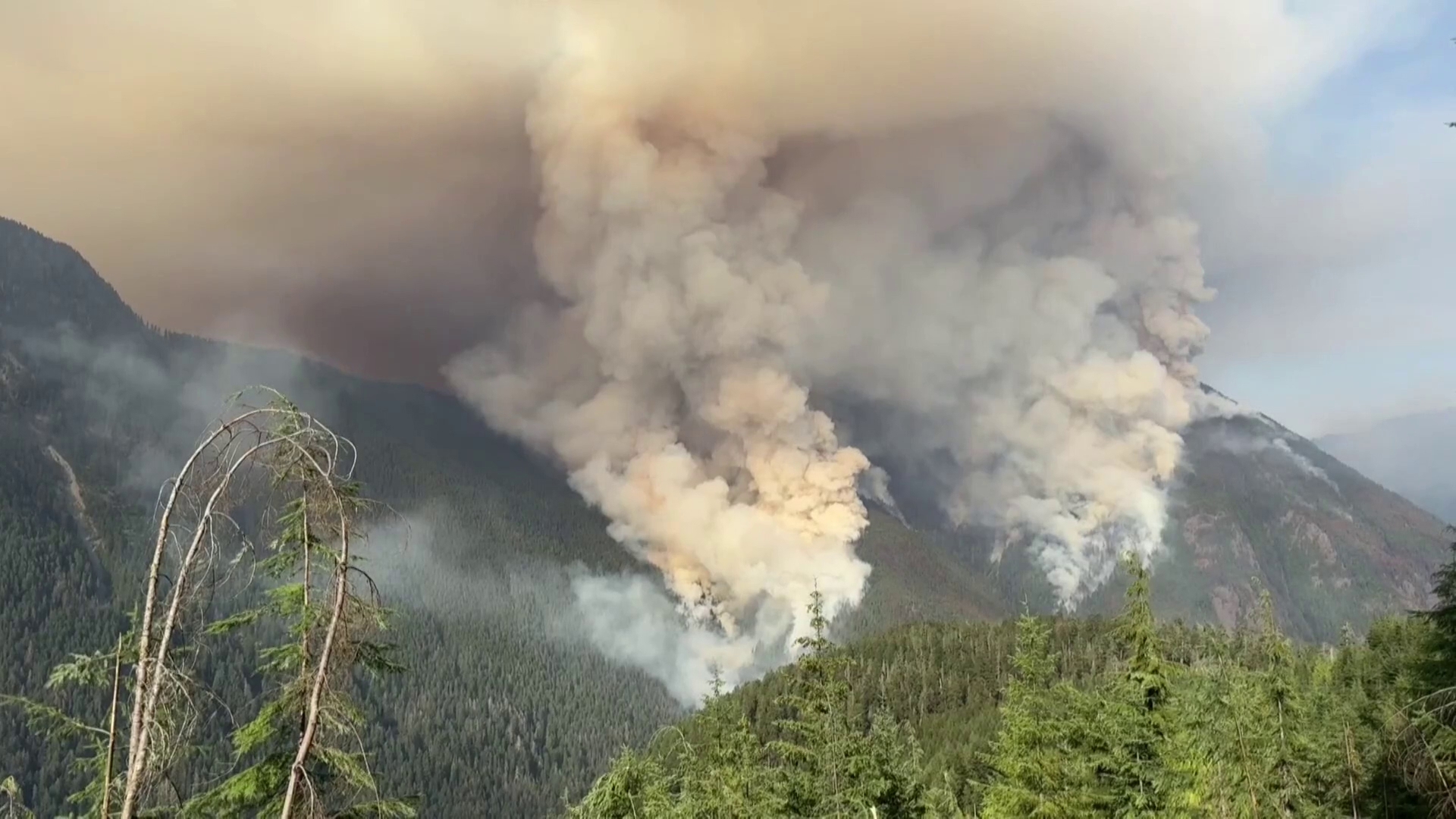
Wildfires today are more than isolated natural events. They become data streams, news cycles, and collective experiences. The Bear Gulch Fire, like many modern wildfires, unfolded across both physical terrain and digital platforms, prompting analysis, speculation, and community engagement. This article explores whether rainfall helped contain the fire, how weather patterns influence wildfire behavior, and why digital interpretation of such events matters more than ever.
4
Before analyzing rainfall impact, it’s important to understand wildfire dynamics.
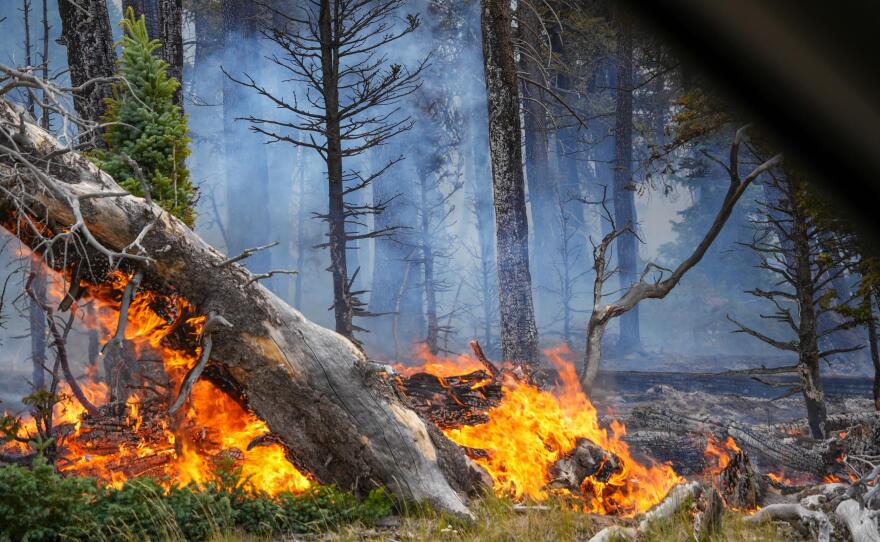
The Bear Gulch Fire developed under conditions common to many modern fires:
Wildfires are highly responsive systems. They evolve based on multiple environmental variables:
This complexity makes simple answers difficult. Asking whether rain helped requires examining timing, intensity, and duration — not just whether rain occurred.
The central question — did the rain help the bear gulch fire? — depends heavily on rainfall characteristics.
Not all rain is equal in wildfire suppression. Light, scattered showers may dampen surface fuels temporarily but fail to penetrate deeper layers. In contrast, sustained, soaking rainfall can significantly reduce fire intensity and spread.
Rain often provides:
However, it rarely extinguishes a wildfire completely unless rainfall is substantial.
In the case of the Bear Gulch Fire, rainfall likely contributed to short-term suppression but may not have been sufficient for total containment without coordinated firefighting efforts.


4
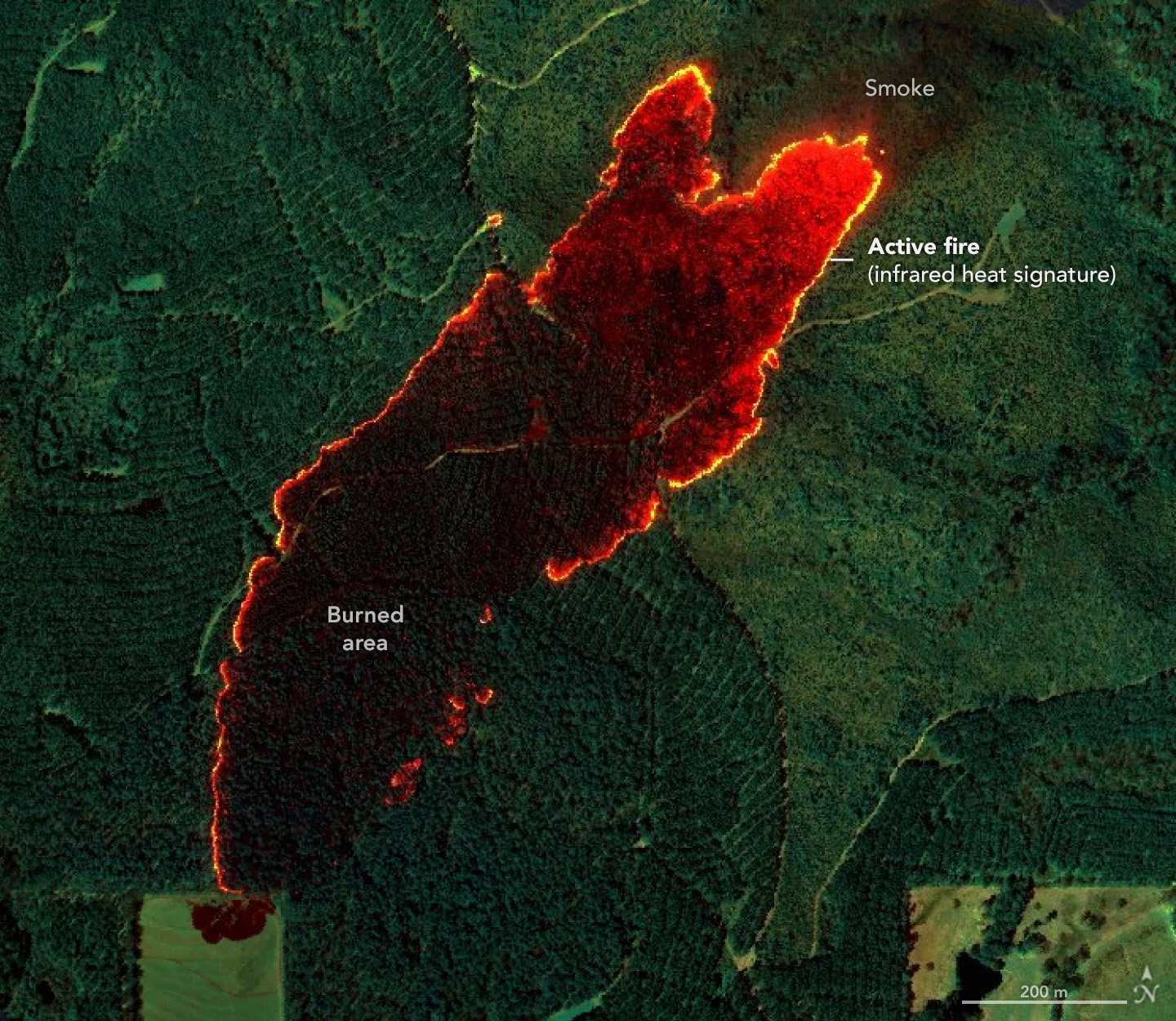
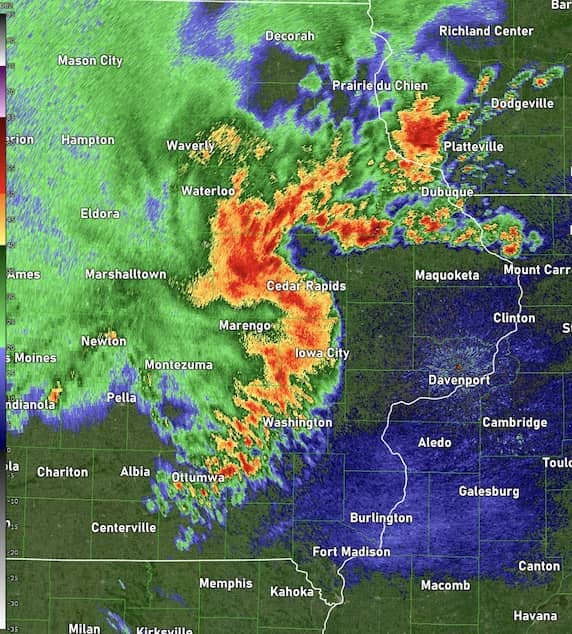
In today’s digital landscape, wildfire updates become real-time narratives. Satellite imagery, radar maps, and emergency notifications allow the public to track storm systems approaching fire zones.
The question “did the rain help the bear gulch fire?” spreads quickly across:
Digital storytelling reshapes how communities interpret wildfire response. Instead of waiting for official briefings, users analyze:
This democratization of data fosters engagement but can also create misconceptions. A visible storm on radar does not automatically equate to meaningful fire suppression.
To evaluate whether rain helped, we must understand wildfire physics.
Rain increases fuel moisture levels. Moist fuels:
However, recovery time varies. Fine fuels (grass, leaves) absorb moisture quickly. Larger fuels (logs, tree trunks) require sustained rainfall.
Rain can:
This provides operational advantages for firefighting crews.
Storm systems often bring:
These changes can significantly alter fire behavior.
But weather is dynamic. A single storm may be followed by drying winds, reversing gains within hours or days.
When evaluating wildfire suppression, agencies typically analyze:
If rainfall coincides with slowed acreage growth and improved containment, it can be considered helpful.
However, experts caution against oversimplification.
Rain may:
But it rarely acts alone as a decisive containment force.
In many wildfire events, rain serves as a supporting factor, not a singular solution.

4
While weather plays a critical role, human intervention remains central.
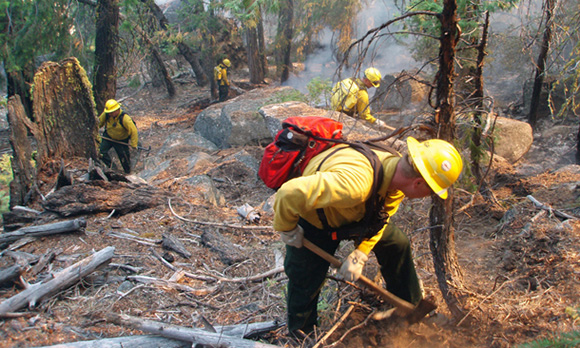
Wildfire management includes:
Rain can enhance these efforts by:
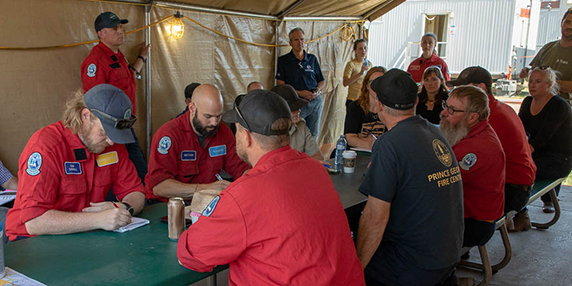
Thus, asking did the rain help the bear gulch fire also requires recognizing the broader suppression strategy at play.
Weather is a variable. Firefighters are the active response mechanism.
Digital culture often frames rainfall as a turning point. Headlines may suggest:
While partially accurate, these narratives can exaggerate impact.
Scientific wildfire analysis emphasizes:
Rain is evaluated within a broader environmental framework.
Understanding this distinction improves digital literacy and reduces misinformation.
Modern wildfire seasons are influenced by:
Climate variability means rainfall events may be:
This complicates the simple question of whether rain “helped.”
In many cases, rain may slow progression without eliminating underlying drought conditions.
The question did the rain help the bear gulch fire reflects a broader shift in how communities engage with environmental events.
Today’s audience seeks:
Digital platforms transform wildfire response into shared civic experience.
Benefits include:
Challenges include:
Balancing engagement with authoritative communication is essential.
No. Rain can reduce intensity and slow spread, but complete extinguishment usually requires coordinated firefighting efforts and sustained moisture.
Generally, steady rainfall over several hours — especially more than a light drizzle — is needed to meaningfully increase fuel moisture levels.
Light rain often evaporates quickly in hot, dry conditions and may not penetrate deeper fuels like logs or dense vegetation.
Yes. Increased humidity and reduced flame intensity often create safer operational conditions for crews.
The discussion surrounding did the rain help the bear gulch fire highlights important insights:
Wildfires are complex environmental systems. Reducing them to a binary yes-or-no question oversimplifies reality.
So, did the rain help the bear gulch fire?
The evidence suggests that rainfall likely contributed to slowing fire behavior and improving firefighting conditions. However, it was probably one component among many — including coordinated suppression efforts, fuel conditions, and broader weather trends.
In the modern digital landscape, this question represents more than meteorology. It reflects how communities process crisis events through data streams, social engagement, and evolving environmental awareness.
Rain can help. But in wildfire science, help is rarely absolute — it is incremental, contextual, and deeply interconnected with both nature and human response.
Understanding that nuance strengthens public trust, improves digital literacy, and supports more resilient communities in an era where wildfire seasons continue to redefine environmental reality.