 11
11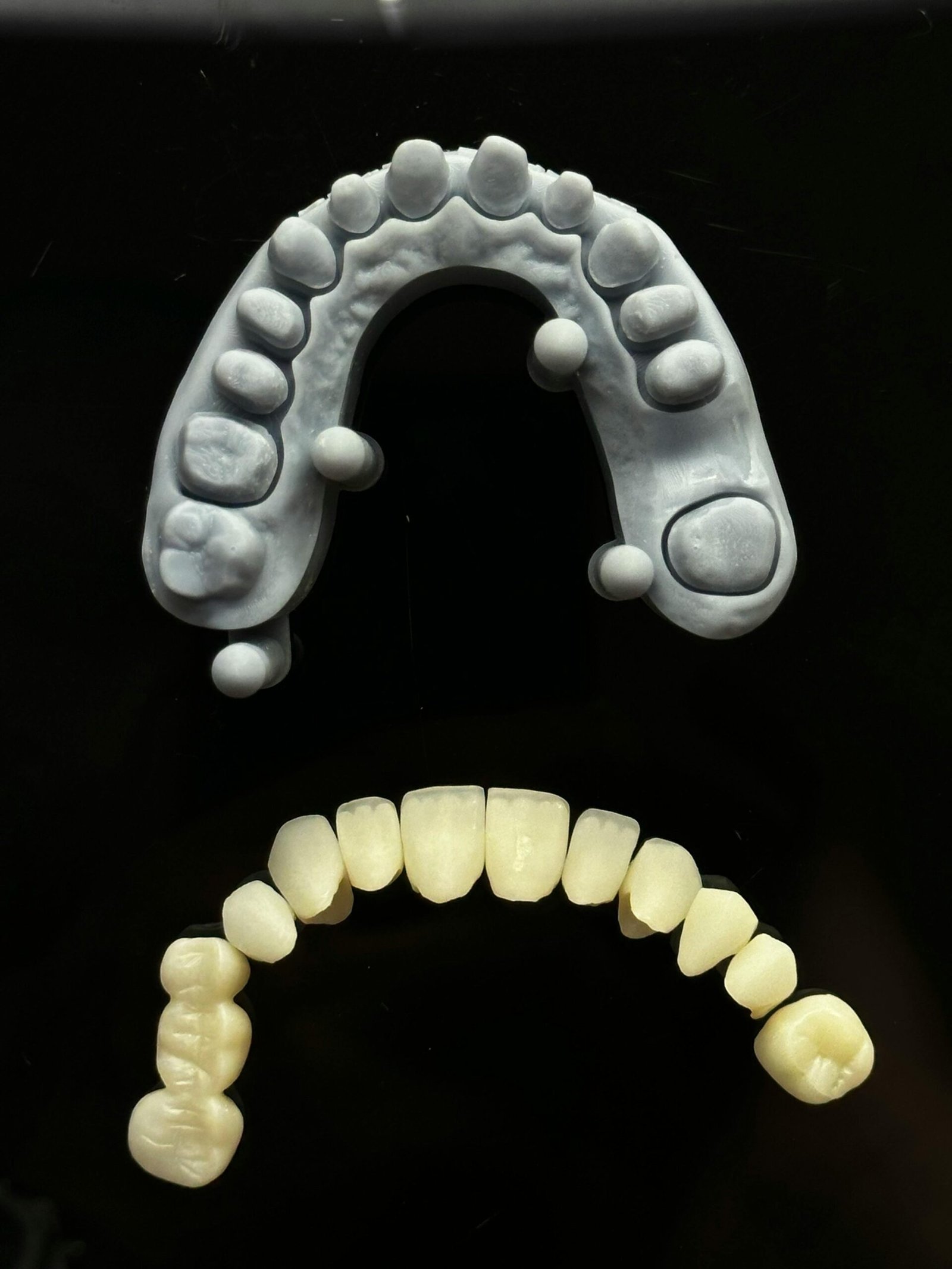
Healthcare no longer exists only in clinics and waiting rooms. It now lives online — in reviews, educational platforms, 3D scans, virtual consultations, and patient communities. People research treatments the same way they explore software or digital tools: comparing features, reading experiences, and seeking transparency.
Dentistry has followed this evolution.
What once felt purely mechanical has become data-driven, design-focused, and highly personalized. Digital imaging, CAD/CAM systems, and advanced materials have transformed how dental restorations are created and understood. Procedures are no longer just repairs; they are carefully engineered solutions that blend biology, aesthetics, and technology.
Within this modern context, the ceramic teeth cap has emerged as more than a simple covering. It represents a convergence of material science, digital precision, and patient-centered care.
Rather than viewing it merely as a dental device, it helps to think of it as a system — one that connects clinical expertise, innovation, and long-term oral health identity.
This article explores the concept comprehensively: what it is, how it works, why it matters, and how modern dentistry is redefining its role.
Dental restoration has always aimed to solve two problems:
But today, a third factor plays an equally important role: appearance.
Patients expect restorations to look natural, feel comfortable, and last for years. That expectation has reshaped the industry.
Modern restorative solutions now focus on:
In this environment, materials matter as much as technique.
Ceramics, in particular, have gained prominence because they mimic the color and translucency of natural enamel while providing strength and stability.
This shift reflects a broader trend in healthcare: combining science with user experience.
Just as digital platforms prioritize intuitive design, modern dentistry prioritizes restorations that integrate seamlessly into daily life.
At a technical level, a ceramic teeth cap is a dental crown made primarily from advanced ceramic materials. It is designed to cover and protect a damaged or weakened tooth while restoring its natural shape and function.
However, looking deeper, it represents a balance between engineering and aesthetics.
Unlike traditional metal-based crowns, ceramic options focus on:
These properties make them suitable for both front and back teeth, depending on the specific material used.
A dental cap typically:
While the function seems straightforward, the precision required is significant.
Even minor misalignment can affect bite, comfort, and long-term oral health.
This is why modern dentistry increasingly relies on digital workflows.
Much like digital content platforms transformed publishing, digital tools have transformed dentistry.
Traditional methods relied on physical molds and manual shaping. Today, many clinics use:
These technologies improve:
The result is a restoration that feels less like an artificial addition and more like a natural extension of the tooth.
Modern ceramics such as zirconia and lithium disilicate offer:
These innovations make ceramic restorations both practical and visually discreet.
In a way, the material itself becomes part of the identity of modern dentistry — clean, precise, and minimally invasive.
Today, the ceramic teeth cap plays a central role in how dentists approach restoration planning.
It is not simply a replacement piece. It is part of a broader system that includes:
Each stage contributes to the final outcome.
Dentists may recommend it for:
Because ceramics blend naturally with adjacent teeth, they are often preferred for visible areas of the smile.
But strength improvements now allow use in posterior regions as well.
This versatility explains why it has become a default option in many practices.
Interestingly, dentistry has begun adopting principles similar to digital product design.
Instead of focusing only on fixing a problem, clinicians now consider the entire user experience.
Questions include:
This mirrors how digital platforms design interfaces for ease and trust.
A typical modern workflow might include:
Each step reduces uncertainty.
Patients benefit from:
The approach prioritizes clarity, similar to how well-designed digital systems reduce friction.
Like any medical solution, ceramic restorations come with both advantages and considerations.
Understanding both sides helps patients make informed decisions.
Neutral, evidence-based evaluation is essential for trust.
Restorations should not be viewed as isolated procedures.
They are part of a broader oral health strategy.
A ceramic teeth cap, for example, functions best when combined with:
Without maintenance, even high-quality materials can fail.
With proper care, many ceramic crowns last:
Some exceed this timeframe depending on lifestyle and oral habits.
Durability depends not just on the material but also on:
This holistic perspective mirrors modern healthcare thinking: outcomes depend on systems, not single actions.
Dental restoration is not only functional — it affects identity.
Smiles influence:
Subtle improvements often lead to meaningful psychological benefits.
Ceramic materials contribute because they:
As a result, restorations feel less noticeable.
This discreetness supports authenticity — patients feel like themselves, not like they are wearing a visible device.
Beyond function and aesthetics, the ceramic teeth cap can also be understood symbolically.
It represents the direction dentistry is heading:
In many ways, it mirrors broader technological trends.
Just as digital platforms evolved from bulky systems to streamlined experiences, dental restorations have moved from heavy metal structures to refined ceramic solutions.
This evolution reflects a shared philosophy: integrate technology without disrupting natural life.
Healthcare, like modern content platforms, succeeds when it feels intuitive.
For individuals exploring treatment options, objective information is crucial.
Questions worth discussing with a dental professional include:
Evidence-based guidance ensures decisions are grounded in health rather than trends.
Professional expertise remains central.
Looking ahead, innovation continues.
Emerging developments include:
These advancements aim to further reduce treatment time while improving outcomes.
The trajectory suggests greater integration between technology and craftsmanship.
As tools improve, results become more predictable and accessible.
Modern dentistry reflects a broader cultural shift toward clarity, efficiency, and thoughtful design.
Patients expect solutions that work seamlessly — not only medically but experientially.
The ceramic teeth cap illustrates this evolution clearly. It combines engineering, aesthetics, and digital innovation into a single restorative approach that prioritizes comfort, durability, and natural appearance.
Rather than being just a dental accessory, it represents a comprehensive philosophy of care — one that values precision, long-term health, and patient trust.
In an age where technology shapes every aspect of life, even dental restoration has become smarter, cleaner, and more integrated.
And that progression continues to define the future of oral healthcare.