 11
11
In an era defined by digital culture, shifting consumer behavior, and platform-driven engagement, even long-standing community institutions are being reinterpreted through a modern lens. Businesses today are no longer seen as simple retail locations; they function as identity markers, cultural touchpoints, and narrative platforms. The story of bartell drugs – mill creek is no exception. What once stood as a traditional neighborhood pharmacy now represents something broader — a case study in brand legacy, community storytelling, and adaptation within a rapidly evolving retail ecosystem.
As local commerce intersects with digital transformation, historic brands increasingly operate as both physical spaces and conceptual platforms. Understanding bartell drugs – mill creek through this framework reveals insights into community branding, consumer trust, and the shifting expectations of modern audiences.

4
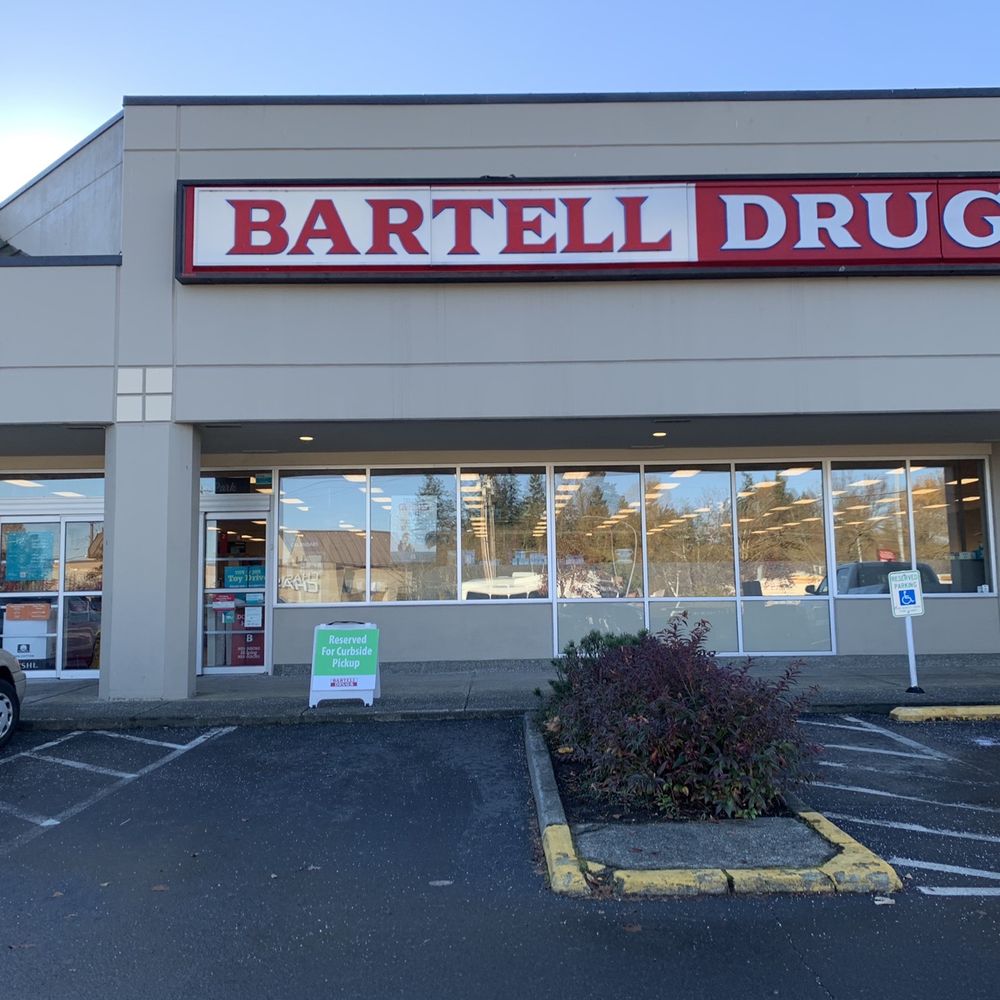
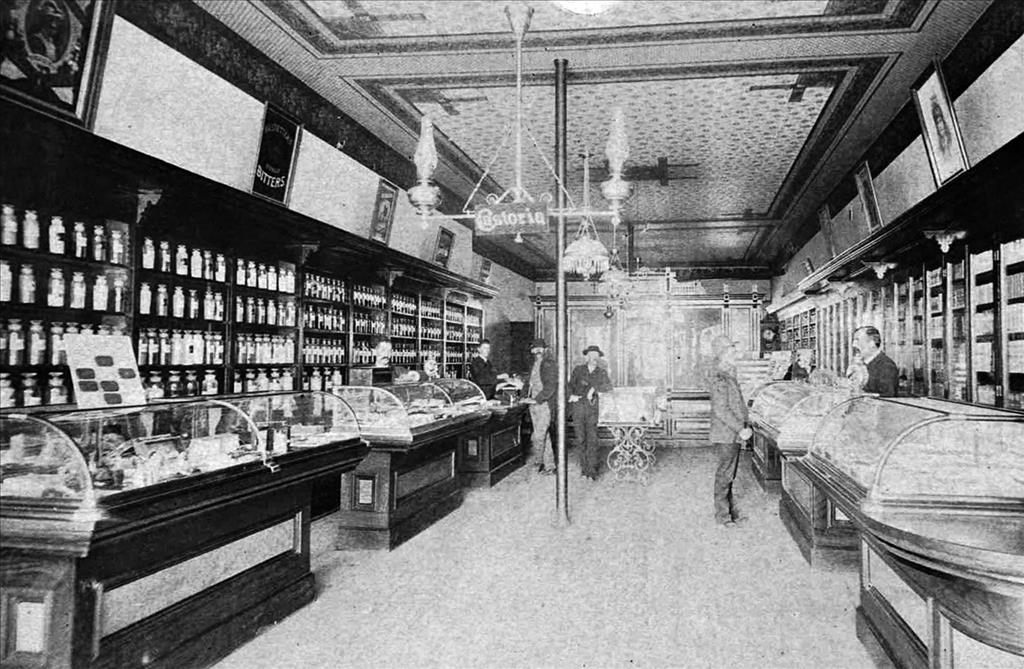
Established as part of the broader Bartell Drugs network, the Mill Creek location embodied the values that shaped neighborhood pharmacies for generations: accessibility, familiarity, and personalized service. Situated in Mill Creek, the store served not merely as a retail outlet but as a local anchor within the town’s commercial and social infrastructure.
For decades, customers associated the space with:
This physical presence gradually evolved into a form of brand identity. In many ways, bartell drugs – mill creek became synonymous with reliability and neighborhood continuity.
As retail landscapes shifted, the meaning of local pharmacies began to change. They were no longer just dispensaries of medication; they became micro-community hubs. The Mill Creek location reflected this broader transformation, functioning as:
The brand’s longevity reinforced credibility — a key component of modern E-E-A-T principles (Experience, Expertise, Authority, Trust). In the digital age, legacy itself becomes a competitive asset.
In contemporary analysis, a retail location can be viewed as a “platform” — not in the technological sense, but as a structured environment for interaction and engagement. Bartell drugs – mill creek operated as a physical platform long before digital terminology framed such concepts.
Modern content platforms thrive on three core elements:
Interestingly, community pharmacies often achieve these same objectives offline.
At bartell drugs – mill creek, engagement was built through:
This mirrors how digital creators build audiences today — through consistency, authenticity, and responsiveness.
Branding in the digital era emphasizes emotional resonance. Consumers increasingly support brands that align with personal identity and values.
For many residents, bartell drugs – mill creek represented:
The location’s identity extended beyond commercial transactions. It became woven into personal routines — a subtle but powerful indicator of brand integration.



4
Digital transformation has redefined how audiences engage with services. Online pharmacies, mobile apps, and subscription-based healthcare solutions have reshaped the industry.
Key shifts include:
In this context, traditional storefronts must evolve or reposition themselves within the digital ecosystem.
Retail innovation often prioritizes:
However, legacy brands like bartell drugs – mill creek possess an intangible asset: relational trust. Unlike algorithm-driven engagement, human-centered service creates emotional continuity.
The challenge for many heritage brands lies in balancing:
This balance determines whether a historic location transitions successfully into the digital age or becomes a symbol of structural change.
When longstanding retail institutions close, the impact extends beyond commercial vacancy. It signals deeper economic and cultural shifts.
Independent and regional pharmacies face increasing challenges:
The Mill Creek location reflected these broader market dynamics.
The closure of bartell drugs – mill creek represented more than a business decision. It highlighted:
In digital culture, spaces often become symbolic after they disappear. Nostalgia becomes part of the brand narrative — reinforcing the emotional dimension of retail identity.
Digital storytelling has emerged as a critical branding strategy. Companies now curate narratives across websites, social media, and online communities.
Legacy brands naturally possess rich story archives. For bartell drugs – mill creek, the narrative included:
These elements align with modern content marketing principles:
In search-driven ecosystems, informational queries increasingly reflect this storytelling interest. Users search not only for services but also for history, meaning, and identity.
The evolution of digital platforms has transformed how local history is preserved. User-generated content, reviews, and archived discussions contribute to collective memory.
In many ways, bartell drugs – mill creek continues to exist conceptually through:
This demonstrates an important digital principle: a brand’s presence extends beyond its physical operations.
Organizations navigating digital transformation can learn from such legacy transitions:
The intersection of offline history and online memory creates a hybrid identity — part retail, part narrative platform.


4
As commercial spaces close, redevelopment often follows. The physical footprint once occupied by bartell drugs – mill creek represents opportunity for reinvention.
Urban redevelopment trends frequently emphasize:
This transformation illustrates a broader shift in how towns redefine commercial identity.
Rather than viewing closures solely as losses, urban planners increasingly interpret them as transitional moments within economic cycles.
It was known as a long-standing community pharmacy in Mill Creek, Washington, recognized for personalized service, local engagement, and decades of brand trust.
Like many regional retail locations, it faced economic pressures, changing consumer behavior, and competition from digital pharmacy platforms and national chains.
Yes. Bartell Drugs continues to operate in various locations as part of a broader pharmacy network.
The closure highlights broader retail evolution, including increased reliance on online ordering, mobile engagement, and platform-based healthcare solutions.
The pharmacy industry is undergoing structural transformation driven by:
In this environment, legacy brick-and-mortar locations must redefine their competitive positioning.
The story of bartell drugs – mill creek fits into a wider narrative of retail modernization. It illustrates how:
For researchers and industry observers, such case studies offer insights into how small-scale institutions intersect with global digital shifts.
In the language of modern digital culture, brands function as platforms, identities, and storytelling ecosystems. Bartell drugs – mill creek exemplified this long before digital transformation reframed retail analysis. It operated as a trusted health provider, a neighborhood touchpoint, and a repository of shared experiences.
As retail continues evolving toward data-driven engagement and platform consolidation, legacy locations remind us that authority is built over time — through consistent service, authentic interaction, and community presence.
The closure of bartell drugs – mill creek underscores a pivotal truth in today’s innovation economy: while technologies change and platforms expand, the core principles of trust, identity, and meaningful engagement remain central to sustainable brand impact.
In that sense, its story continues — not just as a former pharmacy, but as a model of how local institutions shape, and are shaped by, the digital age.