 11
11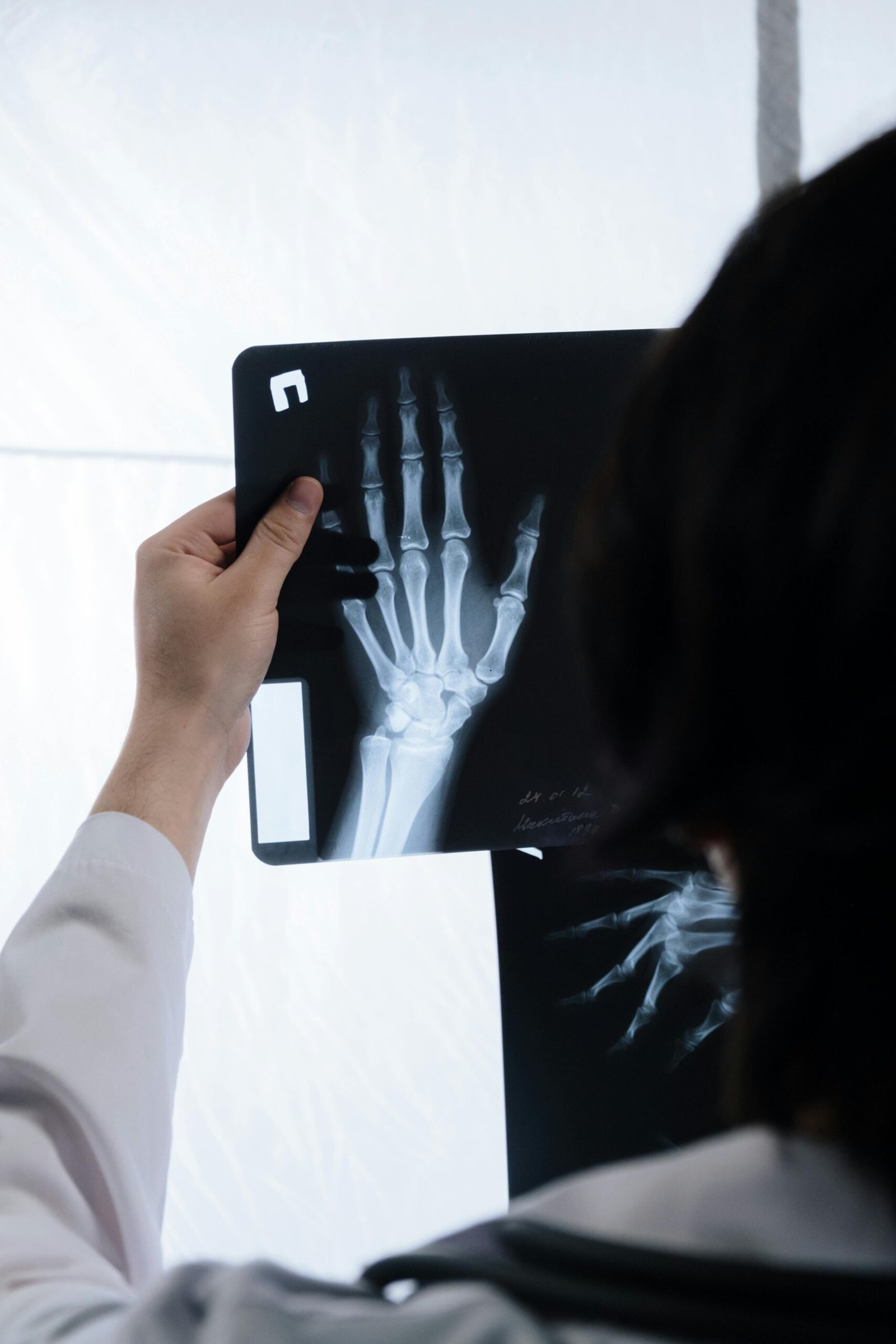
Joint health is essential for mobility, independence, and overall quality of life. However, millions of people worldwide experience degenerative joint conditions that slowly reduce joint function. One medical term frequently used in European clinical discussions is artrotische, which refers to joint changes associated with arthrosis.
Artrotische joint changes develop when cartilage in the joints gradually wears down. Over time, this degeneration can lead to pain, stiffness, and reduced mobility. Understanding the causes, symptoms, and treatments of artrotische conditions helps individuals recognize early warning signs and take proactive steps to protect their joints.
This comprehensive guide explains everything you need to know about artrotische joint changes, including medical causes, diagnosis methods, treatment options, and long-term prevention strategies.
The term artrotische describes structural changes in joints caused by degenerative joint disease, most commonly Osteoarthritis.
Artrotische refers to degenerative changes in joints where cartilage gradually breaks down, leading to inflammation, bone friction, and reduced joint mobility.
These changes are typically visible in medical imaging such as X-rays or MRI scans.
• Cartilage thinning or loss
• Joint space narrowing
• Bone spur formation (osteophytes)
• Joint stiffness and pain
• Reduced range of motion
These changes most commonly occur in weight-bearing joints like the knees and hips.
To understand artrotische conditions, it is important to understand Arthrosis, also known as Osteoarthritis.
Arthrosis is the most common type of arthritis worldwide. It develops gradually when the protective cartilage in joints begins to deteriorate.
Cartilage functions as a smooth, shock-absorbing surface that allows bones to move against each other without friction. When cartilage breaks down, bones rub together, causing pain and inflammation.
Artrotische degeneration typically affects:
• Knees
• Hips
• Hands and fingers
• Spine
• Shoulders
• Ankles
Because joints are used constantly in everyday movement, degeneration often develops slowly over many years.
Healthy joints allow smooth movement between bones. Each joint contains several important components:
Cartilage – protective tissue covering bone surfaces
Synovial fluid – lubricating fluid that reduces friction
Ligaments – connective tissues stabilizing joints
Tendons – structures connecting muscles to bones
When joints function normally, movement is smooth and pain-free. However, when artrotische degeneration begins, cartilage becomes thinner and less elastic.
This process gradually leads to joint stiffness and pain.
Several biological and lifestyle factors can contribute to joint degeneration.
Aging is the most common cause of artrotische changes. As people get older, cartilage naturally becomes thinner and less resilient.
Over decades of use, joints experience wear and tear that eventually leads to degeneration.
Previous injuries can significantly increase the risk of developing joint degeneration.
Examples include:
• Ligament tears
• Bone fractures
• Meniscus injuries
• Sports trauma
Even injuries that occurred years earlier can contribute to long-term joint damage.
Occupations and activities involving repetitive movement may accelerate cartilage breakdown.
Examples include:
• Heavy manual labor
• Construction work
• Professional sports
• Long-term kneeling or lifting
Repeated mechanical stress increases the likelihood of degenerative changes.
Excess body weight places significant pressure on weight-bearing joints.
For example:
• Knees experience 3–4 times body weight pressure during walking.
• Obesity significantly increases risk of knee arthrosis.
Reducing body weight can dramatically lower joint stress.
Genetics can influence cartilage structure and joint alignment. Some individuals inherit a higher risk of degenerative joint disease.
Certain factors make artrotische conditions more likely to develop.
• Age over 50
• Obesity
• Sedentary lifestyle
• Joint misalignment
• Previous injuries
• Genetic predisposition
People with multiple risk factors should take proactive steps to protect their joint health.
Symptoms of degenerative joint disease often develop gradually.
• Mild joint pain during activity
• Stiffness after resting
• Reduced flexibility
• Occasional swelling
• Joint tenderness
These symptoms may initially appear only after physical activity.
As cartilage deterioration progresses, symptoms typically worsen.
• Persistent joint pain
• Limited joint movement
• Visible swelling
• Grinding sensation (crepitus)
• Bone spur formation
In severe cases, daily activities such as walking or climbing stairs may become difficult.
Doctors diagnose degenerative joint conditions through several methods.
Doctors ask questions about:
• Pain patterns
• Previous injuries
• Lifestyle habits
• Family history
The physician evaluates:
• Range of motion
• Swelling
• Joint tenderness
• Alignment problems
Imaging is crucial for confirming artrotische degeneration.
Common diagnostic tools include:
• X-rays
• MRI scans
• CT scans
X-rays can reveal cartilage loss, bone spurs, and joint space narrowing.
Although degenerative joint disease cannot always be reversed, many treatments can significantly improve quality of life.
Most patients begin with conservative treatment methods.
• Anti-inflammatory medications
• Pain relievers
• Physical therapy
• Weight management
• Joint support braces
These treatments reduce inflammation and improve joint stability.
Doctors may recommend injections for pain relief.
Common options include:
• Corticosteroid injections
• Hyaluronic acid injections
• Platelet-rich plasma (PRP)
These treatments can reduce inflammation and improve joint lubrication.
When joint damage becomes severe, surgery may be required.
Surgical options include:
• Arthroscopy
• Osteotomy (bone realignment)
• Joint replacement surgery
Knee and hip replacements are among the most successful orthopedic procedures worldwide.
Lifestyle changes can slow joint degeneration and improve mobility.
• Maintain a healthy body weight
• Exercise regularly
• Avoid repetitive joint strain
• Improve posture
• Use ergonomic work techniques
Even small daily habits can significantly reduce long-term joint damage.
Low-impact exercise strengthens muscles that support joints.
• Walking
• Swimming
• Cycling
• Yoga
• Stretching exercises
These activities improve flexibility and reduce stiffness without placing excessive stress on joints.
| Treatment Type | Purpose | Best For | Recovery Time |
|---|---|---|---|
| Physical Therapy | Strengthens joint support muscles | Early-stage arthrosis | Continuous |
| Medications | Pain and inflammation control | Mild to moderate pain | Immediate relief |
| Joint Injections | Temporary inflammation reduction | Moderate arthritis | Weeks to months |
| Arthroscopy | Repair minor joint damage | Specific injuries | Few weeks |
| Joint Replacement | Replace severely damaged joints | Advanced degeneration | Several months |
This comparison helps patients understand when each treatment may be appropriate.
While aging cannot be avoided, several preventive habits reduce the risk of joint degeneration.
• Stay physically active
• Maintain proper body weight
• Strengthen muscles around joints
• Avoid high-impact activities if joints are vulnerable
• Use proper lifting techniques
Prevention strategies are particularly important for people with family history of joint disease.
Many people live active lives despite degenerative joint conditions.
Successful management typically involves:
• Consistent exercise
• Proper medical treatment
• Weight control
• Joint protection strategies
Working closely with healthcare providers helps patients maintain mobility and reduce pain.
Orthopedic specialists often recommend the following strategies:
• Warm up joints before exercise
• Use supportive footwear
• Stretch daily to maintain flexibility
• Apply cold therapy for inflammation
• Strengthen core and leg muscles
These habits support long-term joint function and reduce symptoms.
Artrotische refers to degenerative joint changes caused by Osteoarthritis, where cartilage gradually wears down, leading to joint pain, stiffness, and reduced mobility.
Not exactly. Artrotische changes are associated with Arthrosis, which is a degenerative condition, while arthritis can include inflammatory diseases such as rheumatoid arthritis.
Cartilage damage usually cannot be fully reversed. However, treatments such as physical therapy, medications, and lifestyle changes can significantly reduce symptoms and slow disease progression.
The joints most commonly affected include:
• Knees
• Hips
• Hands
• Spine
• Shoulders
Weight-bearing joints are particularly vulnerable.
Low-impact exercises are most beneficial, including walking, swimming, cycling, and stretching routines that improve flexibility and strengthen muscles around joints.
Artrotische joint changes describe structural degeneration of joints caused by Osteoarthritis, one of the most common musculoskeletal conditions worldwide. As cartilage gradually wears down, joints may become painful, stiff, and less flexible.
Although aging remains the primary cause, factors such as obesity, injuries, repetitive stress, and genetics also play a significant role. Early diagnosis and appropriate treatment can greatly reduce symptoms and help preserve mobility.
Through lifestyle improvements, targeted exercise, and medical treatments when necessary, many individuals can successfully manage artrotische conditions and maintain an active, healthy life.