 11
11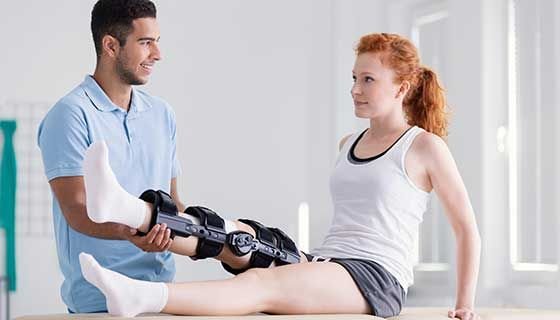
Knee injuries are common among athletes and active individuals, and one of the most significant injuries affecting the knee joint is an ACL tear. The anterior cruciate ligament (ACL) is a major ligament that helps stabilize the knee and allows smooth movement during activities such as running, jumping, and turning. When this ligament is damaged or torn, it can cause pain, instability, and difficulty performing daily activities. Fortunately, modern surgical techniques performed by an experienced Arthroscopic Surgeon provide effective solutions that help patients regain knee strength and mobility.
The anterior cruciate ligament is located in the center of the knee joint and plays an important role in maintaining stability. It connects the thigh bone to the shin bone and helps control forward movement of the tibia while preventing excessive rotation of the knee.
ACL injuries often occur during sports that involve sudden stops, quick direction changes, or jumping movements. Activities such as football, basketball, and skiing can place high stress on the knee joint, increasing the risk of ligament damage.
Accidents, falls, or direct impact to the knee can also lead to ACL tears. When the ligament is injured, individuals may hear a popping sound followed by swelling, pain, and difficulty putting weight on the affected leg.
Advanced medical facilities, such as a Multispeciality Hospital, provide comprehensive diagnostic and treatment services for knee injuries, ensuring that patients receive accurate evaluation and personalized care.
Recognizing the symptoms of an ACL tear is important for early treatment. One of the most common signs is sudden knee pain after an injury, often accompanied by swelling within a few hours.
Patients may also experience a feeling of instability or the sensation that the knee is giving way during movement. Reduced range of motion and difficulty walking are also common symptoms associated with ACL injuries.
Doctors diagnose ACL tears through physical examination and imaging tests. During the examination, specialists check the stability of the knee joint and evaluate ligament function.
Imaging tests such as magnetic resonance imaging (MRI) provide detailed images of the knee structures, allowing doctors to confirm the severity of the ligament damage and determine the most appropriate treatment approach.
Not all ACL injuries require surgery. In some mild cases, non-surgical treatments such as physical therapy, rest, and knee braces may help manage symptoms.
However, surgery is often recommended for individuals who experience severe ligament tears, persistent knee instability, or difficulty returning to normal physical activities. Athletes and active individuals are more likely to benefit from surgical treatment because it restores knee stability and allows them to return to sports safely.
ACL tear surgery is also recommended when the injury affects other structures within the knee, such as the meniscus or cartilage.
One of the most advanced methods used to treat ACL tears is arthroscopic ACL reconstruction. This minimally invasive procedure is performed using a small camera called an arthroscope, which allows the surgeon to view the inside of the knee joint with great precision.
During the surgery, the damaged ligament is replaced with a graft that acts as a new ligament. The graft may come from the patient’s own tissue, such as the hamstring or patellar tendon, or from donor tissue depending on the patient’s condition.
Small incisions are used to insert surgical instruments and the arthroscope, which reduces tissue damage and improves recovery time. The surgeon carefully positions the new ligament in the correct location and secures it with specialized fixation devices.
This modern approach allows surgeons to perform precise reconstruction while minimizing surgical trauma.
Arthroscopic ACL surgery offers several advantages compared to traditional open surgery. Because the procedure uses small incisions, it causes less damage to surrounding tissues and reduces post-operative discomfort.
Patients typically experience faster recovery times and shorter hospital stays. The use of advanced imaging during surgery also allows for greater accuracy in ligament reconstruction.
Another important benefit is improved knee stability. After successful ACL reconstruction and proper rehabilitation, many patients are able to return to their previous level of physical activity, including sports.
These advancements have significantly improved the success rates of ACL surgeries and helped thousands of patients regain active lifestyles.
Rehabilitation is a crucial part of recovery following ACL surgery. After the procedure, patients usually begin a structured physical therapy program designed to restore strength, flexibility, and stability in the knee.
The first stage of rehabilitation focuses on reducing swelling and improving knee movement. Gradually, strengthening exercises are introduced to rebuild the muscles around the knee joint.
As recovery progresses, patients work on balance, coordination, and functional movements that support daily activities and sports performance.
The complete recovery process may take several months, but consistent rehabilitation significantly improves long-term outcomes.
While ACL surgery can effectively restore knee stability, prevention of future injuries is equally important. Strengthening the muscles around the knee, including the quadriceps and hamstrings, helps support the joint and reduce stress on the ligaments.
Athletes and physically active individuals are often advised to follow proper training techniques, warm-up routines, and flexibility exercises. Maintaining good physical conditioning and balance training can also help protect the knee during sports activities.
Wearing appropriate footwear and protective gear further reduces the risk of knee injuries.
Choosing experienced medical professionals for ACL treatment is essential for achieving successful outcomes. Skilled surgeons use advanced surgical techniques and modern equipment to ensure precise ligament reconstruction.
Comprehensive care centers also provide access to physiotherapy specialists, diagnostic imaging, and post-operative rehabilitation services. This integrated approach ensures that patients receive complete care throughout the treatment process.
Early diagnosis, proper surgical treatment, and guided rehabilitation together contribute to faster recovery and improved knee function.
ACL tear surgery has become a highly effective solution for individuals suffering from knee instability and ligament injuries. With the advancement of arthroscopic techniques, patients now benefit from minimally invasive procedures that promote faster healing and better outcomes.
By seeking timely medical care, following rehabilitation programs, and maintaining healthy physical habits, patients can successfully recover from ACL injuries and return to active lifestyles. Modern orthopedic care continues to evolve, offering improved treatments that help individuals regain confidence, mobility, and long-term joint health.