 11
11
In recent years, the concept of muefay has emerged as a fascinating blend of mysticism, aesthetic philosophy, and personal introspection. While it may not yet be widely defined in traditional dictionaries, muefay is gaining attention across digital culture, art, and spiritual communities.
At its core, muefay represents a subtle yet powerful idea—one that connects inner awareness with external beauty. This article explores its meaning, symbolism, cultural relevance, and how it can influence modern lifestyles.
Muefay is an abstract concept that represents a fusion of mystical awareness, emotional depth, and minimalist aesthetic beauty. It is often associated with introspection, subtle energy, and a quiet appreciation of life’s hidden layers.
Muefay is a modern symbolic concept that blends spirituality, emotional awareness, and aesthetic minimalism, representing a deeper connection between inner consciousness and external reality.
Unlike traditional philosophical systems, muefay does not originate from a single culture or historical text. Instead, it appears to be an emergent idea shaped by digital culture, art communities, and modern spirituality.
This evolution makes muefay highly adaptable and open to interpretation.
Several factors contribute to the growing interest in muefay:
People are shifting away from rigid belief systems toward individualized spiritual experiences.
Platforms like Instagram and Pinterest promote visual moods that align with muefay’s essence.
In a fast-paced world, concepts like muefay offer calm, reflection, and meaning.
The symbolism of muefay revolves around balance, transition, and subtle awareness.
Muefay is less about visible action and more about internal shifts.
Spiritually, muefay represents a state of awareness rather than a doctrine. It aligns closely with:
This process helps individuals connect with the essence of muefay.
Muefay is strongly tied to visual and sensory aesthetics.
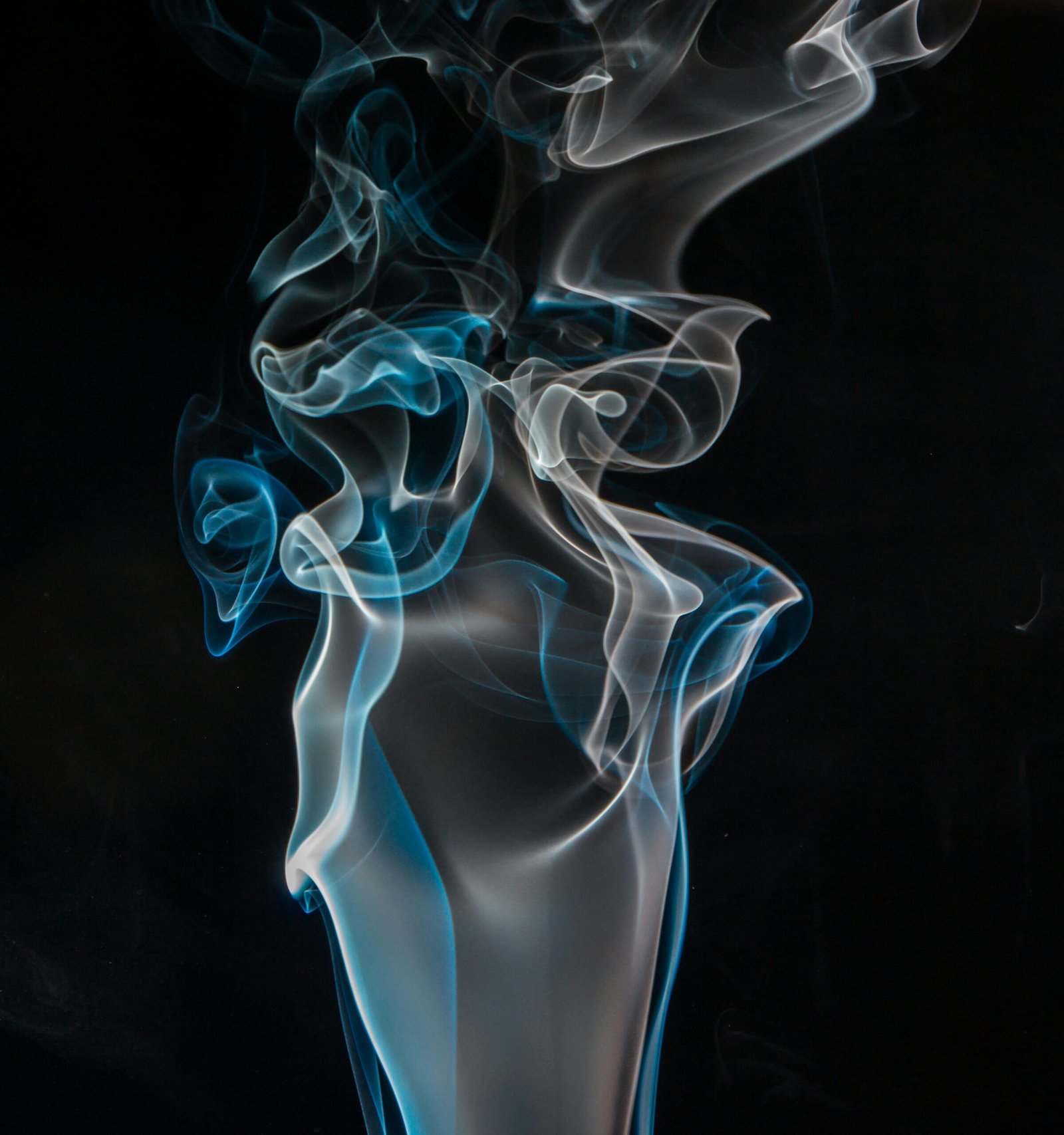
“muefay aesthetic with soft light, minimal design, and mystical atmosphere”
Though not tied to a specific tradition, muefay resonates with global ideas:
Its universality allows it to cross cultural boundaries easily.
Muefay has notable effects on mental and emotional well-being.
The concept encourages slowing down and observing rather than reacting—an approach supported by modern psychology.
| Feature | Description | Impact |
|---|---|---|
| Minimalism | Focus on simplicity | Reduces overwhelm |
| Emotional Depth | Awareness of feelings | Improves mental clarity |
| Mysticism | Subtle spiritual elements | Enhances meaning |
| Fluid Identity | Open interpretation | Encourages creativity |
Muefay is not a belief system—it’s a perspective or mindset.
You can experience muefay in everyday life, not just solitude.
While visually appealing, it has deeper emotional and spiritual meaning.
| Concept | Focus | Difference from Muefay |
|---|---|---|
| Minimalism | Simplicity | Muefay adds emotional depth |
| Mindfulness | Awareness | Muefay includes aesthetic expression |
| Mysticism | Spiritual meaning | Muefay is less structured |
| Slow Living | Lifestyle pace | Muefay is more symbolic |
Moments of silence reveal deeper insights.
Notice light, texture, and emotion.
Muefay values authenticity over precision.
Your environment should reflect calm and clarity.
Muefay is likely to evolve into a broader lifestyle and artistic movement.
Its flexibility ensures long-term relevance.
Muefay is more than just a concept—it is an experience that blends spirituality, aesthetics, and emotional awareness into a unified perspective. As modern life becomes increasingly complex, ideas like muefay offer simplicity, depth, and meaning.
By embracing its principles, individuals can cultivate a more mindful, balanced, and visually harmonious life. Whether through art, reflection, or daily habits, muefay provides a pathway to deeper understanding and quiet transformation.
Muefay refers to a symbolic concept combining aesthetic minimalism, emotional awareness, and spiritual introspection.
It is not a formal philosophy but an emerging modern idea shaped by art, culture, and mindfulness practices.
You can practice it through mindfulness, simplifying your environment, and focusing on subtle emotional experiences.
Yes, but it goes beyond minimalism by adding emotional and spiritual depth.
Its appeal lies in its flexibility, aesthetic beauty, and relevance to modern mental wellness needs.