 11
11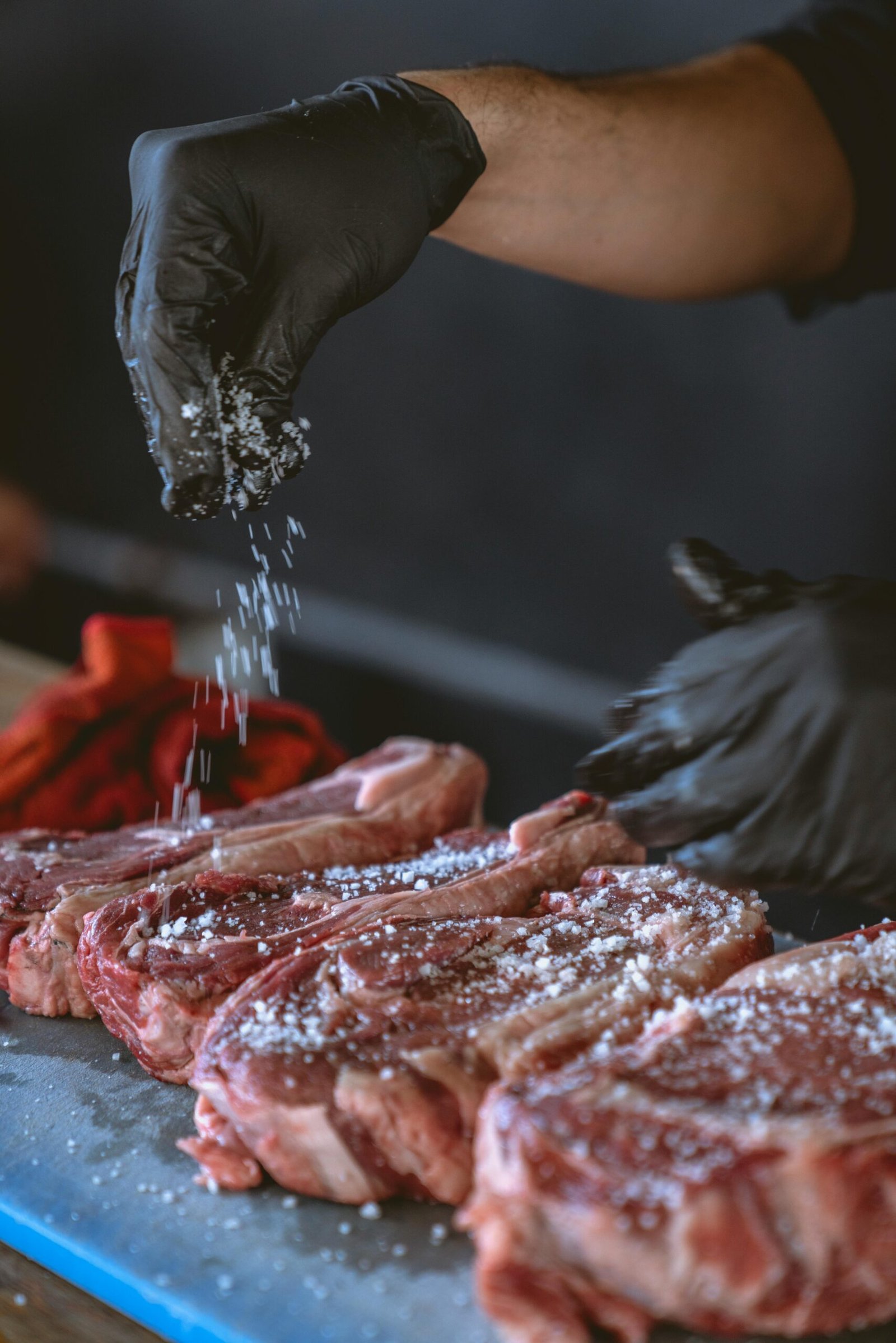
Sheep meat is a staple in many cuisines worldwide, from Middle Eastern grills to South Asian curries and European roasts. However, many people are unfamiliar with the term hogget mutton, which refers to sheep meat that falls between lamb and mature mutton in age and flavor.
Understanding hogget mutton can help home cooks, chefs, and food enthusiasts choose the best meat for their recipes. Hogget offers a deeper flavor than lamb but remains more tender than older mutton, making it a prized option in traditional cooking and modern gastronomy.
In this comprehensive guide, we will explore what hogget is, how it compares to lamb and mutton, its taste profile, cooking methods, nutritional value, and expert tips for selecting high-quality cuts.
Hogget mutton refers to meat from a young sheep that is older than lamb but younger than fully mature mutton. Typically, hogget comes from sheep aged 12 to 24 months.
At this stage, the animal has developed up to two permanent teeth, often referred to in farming as a “two-tooth sheep.”
Because of this age range, hogget meat offers:
For many chefs and traditional cooks, hogget represents the perfect middle ground in sheep meat.
Sheep meat is usually categorized based on the animal’s age and dental development.
The three primary classifications are:
These classifications help farmers, butchers, and chefs determine:
Understanding how hogget mutton compares to other sheep meat types helps cooks choose the best option for different dishes.
| Feature | Lamb | Hogget | Mutton |
|---|---|---|---|
| Age | Under 12 months | 12–24 months | Over 2 years |
| Teeth | No permanent teeth | Up to 2 teeth | 4–8 teeth |
| Flavor | Mild and slightly sweet | Rich and balanced | Strong and robust |
| Texture | Very tender | Moderately tender | Firm and tougher |
| Fat Content | Lower | Moderate | Higher |
| Best Cooking Method | Grilling, roasting | Roasting, braising | Slow cooking, stewing |
This progression reflects how flavor develops as the animal ages.
Farmers often determine sheep age through incisor teeth development.
Typical classification includes:
Teeth provide one of the most reliable indicators of sheep maturity and meat classification.
The flavor of sheep meat becomes richer and stronger as the animal ages due to increased muscle development and fat composition.
Many culinary professionals consider hogget the ideal compromise between tenderness and flavor.
In recent years, many chefs have rediscovered hogget mutton as a premium ingredient.
Reasons chefs prefer it include:
Fine-dining restaurants increasingly feature hogget in seasonal menus because it offers greater depth without overwhelming gaminess.
Different cuts of hogget are suitable for different cooking styles.
Common hogget cuts include:
These cuts mirror lamb cuts but produce deeper flavor results.
Cooking techniques should match the meat’s texture and fat composition.
Best cooking methods include:
Great for hogget leg or shoulder.
Breaks down connective tissue and enhances flavor.
Perfect for tougher cuts like neck and shank.
Works well with marinated chops.
Ideal for traditional curries and stews.
Slow cooking often enhances the natural richness of hogget mutton.
Sheep meat provides several essential nutrients.
Key nutritional benefits include:
Approximate nutrition per 100g:
These nutrients support muscle growth, immune health, and energy production.
Buying quality meat is essential for flavor and tenderness.
Look for these indicators:
Trusted butchers often label cuts clearly if they sell hogget mutton rather than lamb.
Many home cooks make mistakes when preparing sheep meat.
Avoid these errors:
Using the right cooking technique ensures tenderness and flavor.
Many traditional cuisines use hogget because of its rich flavor.
Popular dishes include:
In many rural regions, hogget mutton is preferred for slow-cooked stews and festive meals.
Follow these expert tips when buying sheep meat.
Proper storage maintains flavor and safety.
The answer depends on personal preference and cooking style.
Choose lamb if you want:
Choose hogget if you want:
Choose mutton if you want:
Many chefs believe hogget offers the best balance of tenderness and taste.
Global demand for sheep meat continues to grow.
Key trends include:
These trends suggest hogget mutton may become more widely recognized worldwide.
Hogget is meat from sheep aged between 12 and 24 months. It has a stronger flavor than lamb but remains more tender than mature mutton.
No. Hogget comes from younger sheep than mutton. Mutton refers to sheep older than two years, which produces stronger flavored and tougher meat.
Many chefs believe hogget tastes better because it has more developed flavor while still remaining tender.
Supermarkets often prefer lamb because it cooks faster and appeals to more consumers. Hogget is more commonly found at specialty butchers or farms.
Understanding the difference between lamb, hogget, and mutton helps cooks make better decisions when choosing sheep meat. Hogget mutton occupies a unique middle ground—offering richer flavor than lamb while remaining more tender than traditional mutton.
For chefs and food enthusiasts seeking deeper flavor without excessive toughness, hogget provides an exceptional culinary option. As interest in traditional and sustainable meats grows worldwide, hogget is gradually gaining recognition as one of the most versatile and flavorful sheep meats available.