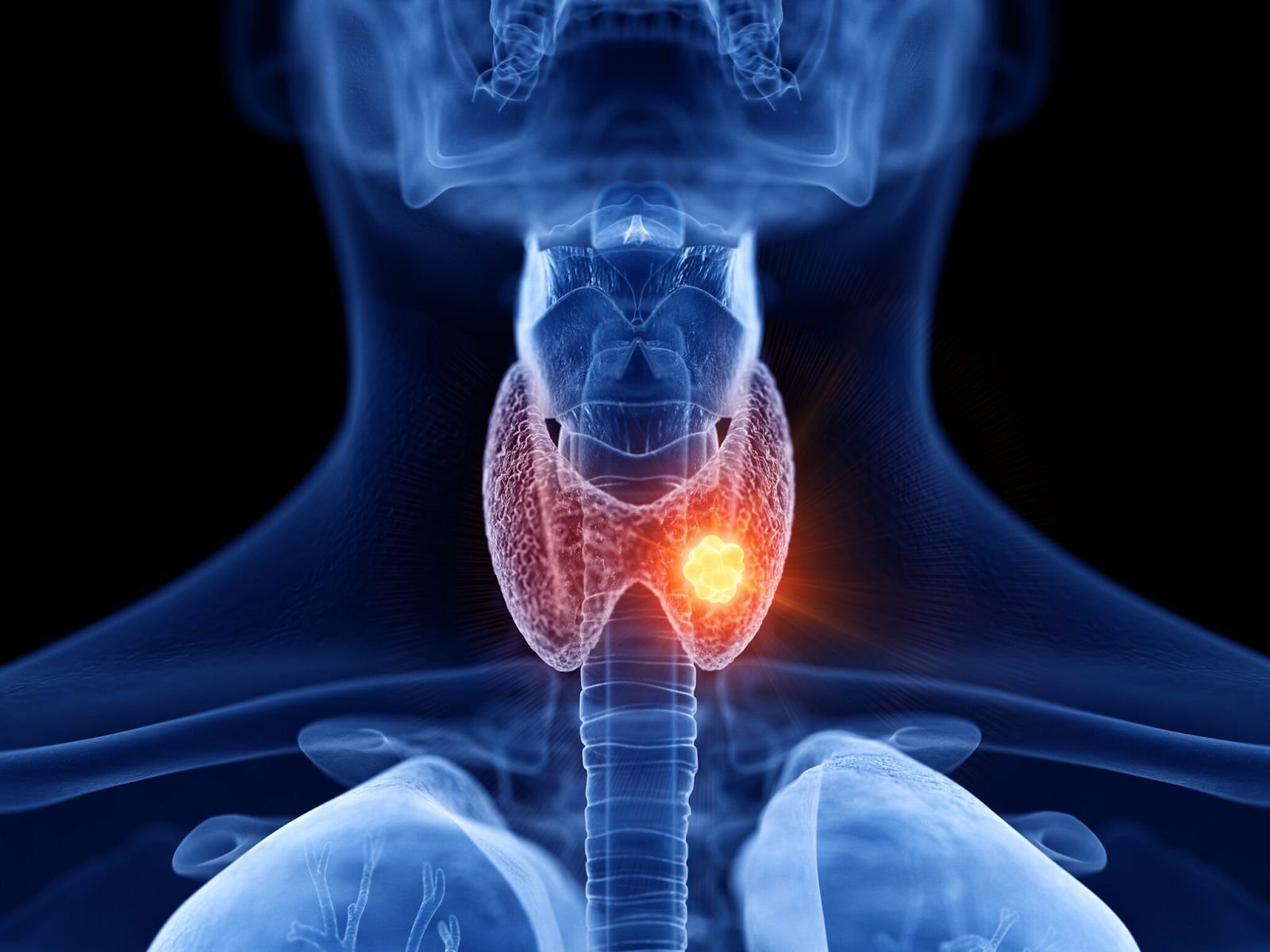
Robotic and Scarless Thyroid Cancer Surgery: The Future of Treatment
Robotic and scarless thyroid cancer surgery is transforming the way thyroid tumors are treated, offering patients advanced solutions with minimal visible scarring and faster recovery. As part of modern head n neck surgery, these innovative techniques focus not only on removing cancer effectively but also on preserving appearance, voice function, and overall quality of life. With continuous advancements in medical technology, patients diagnosed with thyroid cancer now have access to safer, more precise surgical options that combine oncological success with cosmetic excellence.
Understanding Thyroid Cancer and the Need for Advanced Surgery
Thyroid cancer develops in the thyroid gland, a small butterfly-shaped organ located at the base of the neck that regulates metabolism and hormone production. In many cases, thyroid cancer is highly treatable, especially when detected early. Traditional surgery typically involves an incision across the front of the neck to remove part or all of the thyroid gland. While effective, this approach can leave a visible scar and may cause post-operative discomfort.
As patient expectations evolve and technology advances, the demand for less invasive and cosmetically favorable procedures has grown. Robotic and scarless thyroid surgery has emerged as a groundbreaking alternative, offering precise tumor removal while minimizing external marks and tissue trauma.
The Role of Expertise in Robotic Thyroid Surgery
The success of robotic thyroid procedures depends heavily on the skill and experience of a Surgical Oncologist trained in advanced thyroid techniques. Unlike conventional surgery, robotic systems allow surgeons to operate using enhanced 3D visualization and highly flexible instruments that mimic the movement of the human hand with greater precision. This technology provides improved access to delicate structures such as nerves and blood vessels surrounding the thyroid gland.
In complex cases requiring multidisciplinary care, a Surgical Oncologist collaborates closely with endocrinologists, radiologists, and pathologists to ensure comprehensive treatment planning. Expertise in robotic systems not only enhances cancer removal accuracy but also significantly reduces the risk of complications such as nerve injury affecting the voice.
What Is Scarless Thyroid Surgery?
Scarless thyroid surgery typically refers to remote-access techniques that avoid a visible incision on the neck. Instead of cutting directly over the thyroid gland, surgeons access the gland through hidden incisions placed in areas such as the underarm or inside the mouth. One of the most popular approaches is the transoral endoscopic thyroidectomy, where the incision is made inside the lower lip, leaving no external scar.
Robotic assistance enhances these techniques by providing superior visualization and stability. The robotic arms operate through small access points, allowing for precise tissue dissection while preserving critical structures like the recurrent laryngeal nerve, which controls vocal cord movement.
Benefits of Robotic and Scarless Approaches
One of the most significant advantages of robotic and scarless thyroid surgery is improved cosmetic outcome. Since the neck remains free of visible scarring, patients often feel more confident and satisfied with their post-operative appearance. This can be particularly important for younger patients or individuals concerned about visible marks.
In addition to cosmetic benefits, these advanced procedures may result in less postoperative pain, reduced blood loss, and shorter hospital stays. Enhanced precision also decreases the likelihood of complications such as hypocalcemia or vocal cord dysfunction. Faster recovery allows many patients to return to normal daily activities sooner compared to traditional surgery.
Safety and Effectiveness in Cancer Treatment
A key concern with any new surgical method is whether it maintains the same level of cancer control as conventional techniques. Clinical studies have shown that robotic thyroid surgery provides comparable oncological outcomes when performed by experienced specialists. Complete tumor removal and appropriate lymph node management remain top priorities.
Modern imaging technologies and intraoperative monitoring further improve surgical accuracy. By combining advanced robotics with real-time nerve monitoring, surgeons can minimize risks while ensuring effective treatment. This balance between innovation and safety is what makes robotic thyroid surgery a promising advancement in cancer care.
Recovery and Post-Surgical Care
Recovery after robotic thyroid surgery is often smoother than traditional approaches. Patients typically experience minimal discomfort and may be discharged within a shorter timeframe. Mild swelling or temporary voice changes can occur but generally resolve with time.
Long-term follow-up is essential to monitor thyroid hormone levels and detect any signs of recurrence. Some patients may require thyroid hormone replacement therapy, depending on the extent of gland removal. Regular check-ups, imaging tests, and blood work form an integral part of ongoing care.
The Future of Thyroid Cancer Treatment
Robotic and scarless thyroid surgery represents a significant step forward in patient-centered cancer care. As technology continues to evolve, surgical systems are becoming even more refined, offering enhanced precision and improved outcomes. Training programs for surgeons are expanding, ensuring that more patients can benefit from these cutting-edge procedures.
The future of thyroid cancer treatment lies in combining medical innovation with personalized care. From molecular diagnostics to minimally invasive surgery, advancements are reshaping how thyroid cancer is managed worldwide.
Conclusion
Robotic and scarless thyroid cancer surgery represents a major advancement in modern cancer care. By combining cutting-edge technology with surgical expertise, patients can benefit from precise tumor removal, minimal visible scarring, and faster recovery. These innovative techniques reflect the evolution of head and neck surgery, where both medical effectiveness and cosmetic outcomes are given equal importance.
With the guidance of an experienced Surgical Oncologist, patients can receive personalized treatment plans that prioritize safety, long-term health, and quality of life. As technology continues to progress, robotic thyroid surgery is expected to become even more refined and accessible. For individuals diagnosed with thyroid cancer, this modern approach offers hope, confidence, and a future focused not just on survival, but on overall well-being.
(FAQs)
What is robotic thyroid cancer surgery?
Robotic thyroid cancer surgery is a minimally invasive procedure that uses advanced robotic technology to remove part or all of the thyroid gland. The system provides enhanced 3D visualization and precise instrument control, allowing surgeons to perform complex procedures with greater accuracy.
What does scarless thyroid surgery mean?
Scarless thyroid surgery refers to remote-access techniques where incisions are placed in hidden areas such as inside the mouth or under the arm. This avoids a visible scar on the neck while still allowing effective removal of cancerous tissue.
Is robotic thyroid surgery safe?
Yes, when performed by a trained and experienced surgeon, robotic thyroid surgery is considered safe and effective. It provides cancer control outcomes comparable to traditional surgery while offering cosmetic and recovery benefits.
Who is a good candidate for scarless thyroid surgery?
Patients with early-stage thyroid cancer, smaller tumors, and no extensive lymph node involvement are often ideal candidates. A detailed medical evaluation is required to determine eligibility.