 11
11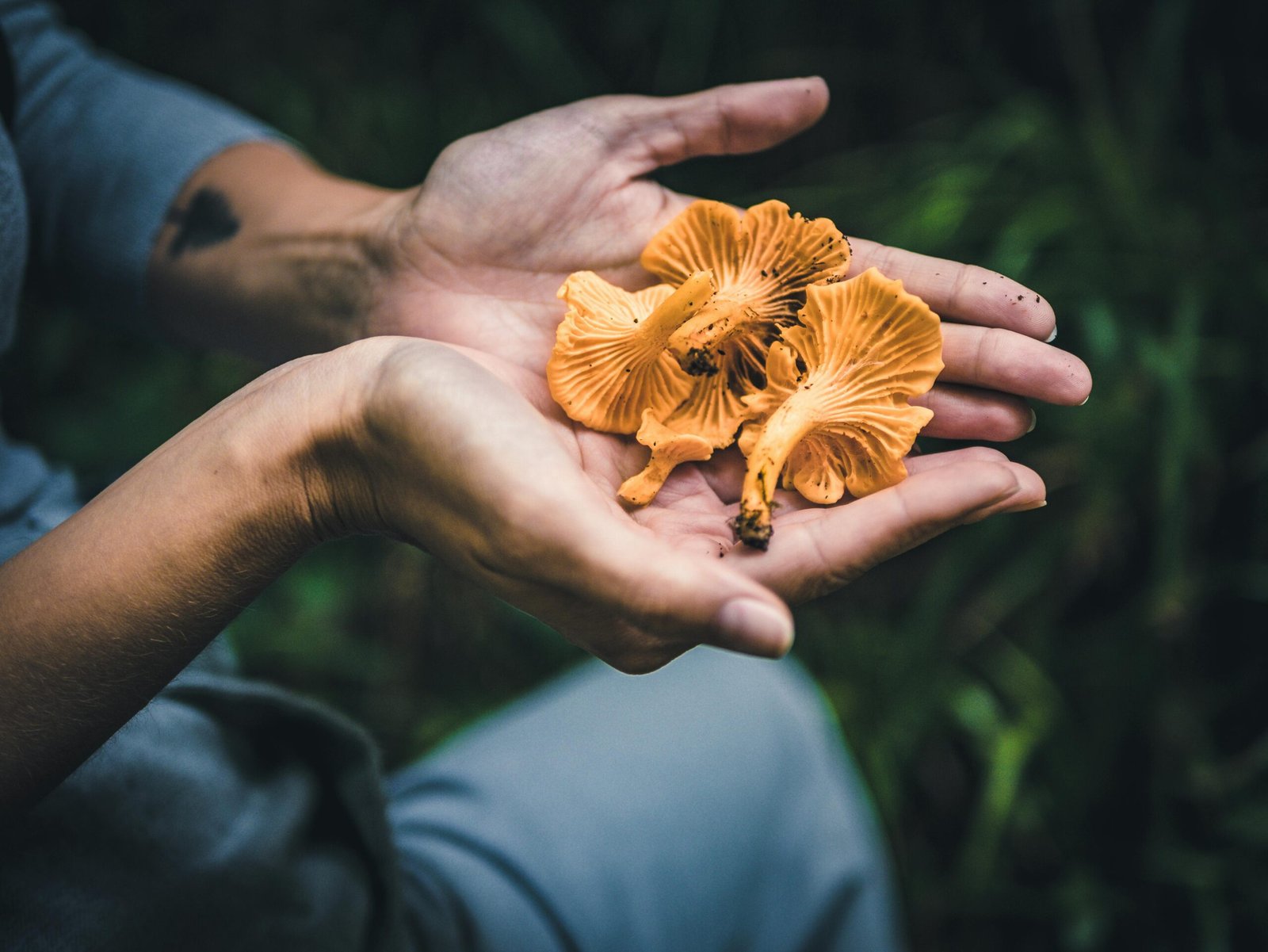
In the world of mycology, Dapetes refers to a distinctive section within the mushroom genus Lactarius. This group of fungi—commonly called milk caps—is famous for producing colored latex when damaged. Many species are ecologically important and some are highly prized edible mushrooms.
The Dapetes group includes several well-known species such as saffron milk caps and blood milk caps. These fungi are especially recognizable because their orange or red latex often turns green when exposed to air.
Understanding this group requires examining taxonomy, ecology, morphology, and chemistry. This comprehensive guide explains everything researchers, students, and mushroom enthusiasts should know about these fascinating fungi.
Dapetes is a taxonomic section within the genus Lactarius, a group of basidiomycete fungi belonging to the family Russulaceae. The section includes mushrooms that exude orange or reddish latex when their tissues are damaged.
Dapetes:
A section of the Lactarius genus characterized by milk-producing mushrooms with orange or red latex that often stains green when exposed to air.
These mushrooms play important ecological roles because they form ectomycorrhizal relationships with forest trees.
The classification of Lactarius mushrooms has evolved significantly as molecular biology has advanced.
| Rank | Classification |
|---|---|
| Kingdom | Fungi |
| Phylum | Basidiomycota |
| Class | Agaricomycetes |
| Order | Russulales |
| Family | Russulaceae |
| Genus | Lactarius |
| Section | Dapetes |
Historically, some mycologists treated this group as section Deliciosi, and the two names are often used interchangeably in scientific literature.
Molecular phylogenetic studies using ITS DNA sequencing have confirmed that these mushrooms form a clear evolutionary lineage within the genus.
The most distinctive feature of these mushrooms is their colored latex.
When the gills or stem are cut:
This reaction is caused by specialized terpenoid pigments in the latex.
Caps in this group typically have:
These visual patterns help field mycologists identify species.
A hallmark of the Dapetes group is green discoloration when the mushroom is bruised.
This occurs due to oxidation of latex compounds.
Typical gill features include:
Several well-known mushrooms belong to this section.
Often called the saffron milk cap, this species is highly valued as an edible mushroom.
Known as the blood milk cap, it produces dark red latex.
A close relative of L. deliciosus, sometimes referred to as the false saffron milk cap.
Produces orange latex that quickly turns wine-red.
Many of these species grow in pine forests across Europe and North America.
Species in this group are ectomycorrhizal fungi, meaning they form mutualistic relationships with tree roots.
This relationship benefits both partners.
Common host trees include:
This ecological relationship makes Dapetes mushrooms essential components of forest ecosystems.
The bright coloration of these mushrooms comes from unique chemical compounds.
Many species produce guaiane sesquiterpenes, responsible for orange latex coloration.
These compounds contribute to orange or reddish caps.
Phenolics contribute to:
These chemical markers are also used in biochemical systematics for species identification.
Identifying these mushrooms requires careful observation.
Most species produce a cream to pale yellow spore print.
Typical habitats include:
| Species | Latex Color | Host Tree | Edibility |
|---|---|---|---|
| Lactarius deliciosus | Orange | Pine | Excellent |
| Lactarius sanguifluus | Dark red | Pine | Good |
| Lactarius deterrimus | Orange turning green | Spruce | Edible but bitter |
| Lactarius semisanguifluus | Orange → wine red | Pine | Good |
This table highlights how latex color and tree association help differentiate species.
Several Dapetes mushrooms are considered gourmet foods.
However, not all species have equal culinary value. Some may taste slightly bitter or be prone to insect infestation.
Milk cap mushrooms generally contain:
These mushrooms are widely studied in mycology for several reasons.
Species in this section can be difficult to distinguish morphologically.
DNA sequencing has helped clarify evolutionary relationships.
Chemical compounds within the latex serve as taxonomic markers.
Researchers often analyze:
Even experienced mushroom hunters sometimes misidentify these fungi.
Never consume wild mushrooms unless identification is 100% certain.
Consult field guides or professional mycologists.
Professional mycologists recommend several strategies.
Researchers often use:
Combining morphological and molecular data provides the most accurate identification.
Recent advances in fungal genomics are transforming how scientists study these mushrooms.
Scientists continue to discover new species within this group, particularly in understudied forests.
Dapetes is a section within the mushroom genus Lactarius characterized by species that produce orange or red latex and often stain green when bruised.
Some species are edible and highly valued, especially saffron milk caps. However, correct identification is essential before consumption.
They typically grow in conifer forests and form ectomycorrhizal partnerships with trees such as pine and spruce.
The color change occurs due to oxidation of chemical compounds in the latex.
In many modern classifications, Dapetes is considered synonymous with section Deliciosi.
The Dapetes section of the genus Lactarius represents one of the most distinctive groups of milk cap mushrooms. Recognized by their colorful latex, green-staining flesh, and strong association with coniferous trees, these fungi hold ecological, culinary, and scientific significance.
From edible saffron milk caps to complex taxonomic challenges, the group continues to attract attention from mycologists worldwide. As molecular tools improve and new species are discovered, research on Dapetes will remain essential for understanding fungal biodiversity and forest ecosystems.