 11
11
In today’s digital culture, identity is curated, lifestyles are intentional, and even pet ownership reflects evolving values. Platforms amplify micro-communities, storytelling shapes perception, and breeds once considered niche can rapidly become widely recognized. Within this dynamic landscape, the pugalier breed has emerged not merely as a cross between two beloved dogs, but as a symbol of adaptability, emotional connection, and modern companionship.
More than a designer hybrid, the pugalier breed represents a convergence of heritage, personality, and lifestyle compatibility. As audiences seek authenticity—whether in digital storytelling or everyday living—this crossbreed reflects broader cultural themes: intentional choice, balanced temperament, and the blending of tradition with innovation.
This article explores the pugalier breed as a concept, a companion animal, and an evolving identity within contemporary pet culture.
The pugalier breed is a cross between the Pug and the Cavalier King Charles Spaniel. Both parent breeds are historically known for their affectionate temperaments and strong bonds with humans. When combined, they create a hybrid that often embodies warmth, sociability, and compact versatility.
While technically a mixed breed, the pugalier has developed a recognizable profile in appearance and behavior. In many ways, it represents a broader trend in companion animals: selective blending to optimize temperament and adaptability for modern households.


4
From the Pug, pugaliers may inherit:
From the Cavalier King Charles Spaniel, they may gain:
Because genetics vary, individual pugaliers can lean more toward one parent’s traits. This unpredictability is part of their appeal—and also a factor prospective owners must understand.
The pugalier is typically small to medium in size, often weighing between 10–20 pounds. Height usually ranges from 10–14 inches at the shoulder.
Common physical traits include:
Coat colors vary widely, including:
The hybrid’s slightly elongated muzzle—compared to a Pug—can sometimes reduce breathing challenges commonly associated with brachycephalic breeds, though this varies significantly by lineage.
The defining characteristic of the pugalier breed is emotional attunement. These dogs are typically people-oriented, forming strong attachments to their owners and thriving in environments with regular interaction.
This emotional intelligence aligns with contemporary lifestyle trends emphasizing mental health, companionship, and balanced living. For remote workers, small families, or urban residents, the pugalier often integrates smoothly into daily routines.
However, attachment can sometimes lead to separation anxiety if not managed early. Structured training and gradual independence-building are essential.
Like all mixed breeds, pugaliers may benefit from hybrid vigor, but they are not immune to inherited conditions.
From the Pug lineage:
From the Cavalier lineage:
Average lifespan typically ranges between 12–15 years, depending on genetics, diet, and preventative care.
Transparency from breeders regarding health testing significantly impacts long-term outcomes. Ethical sourcing aligns with modern expectations of responsibility and trust.


4
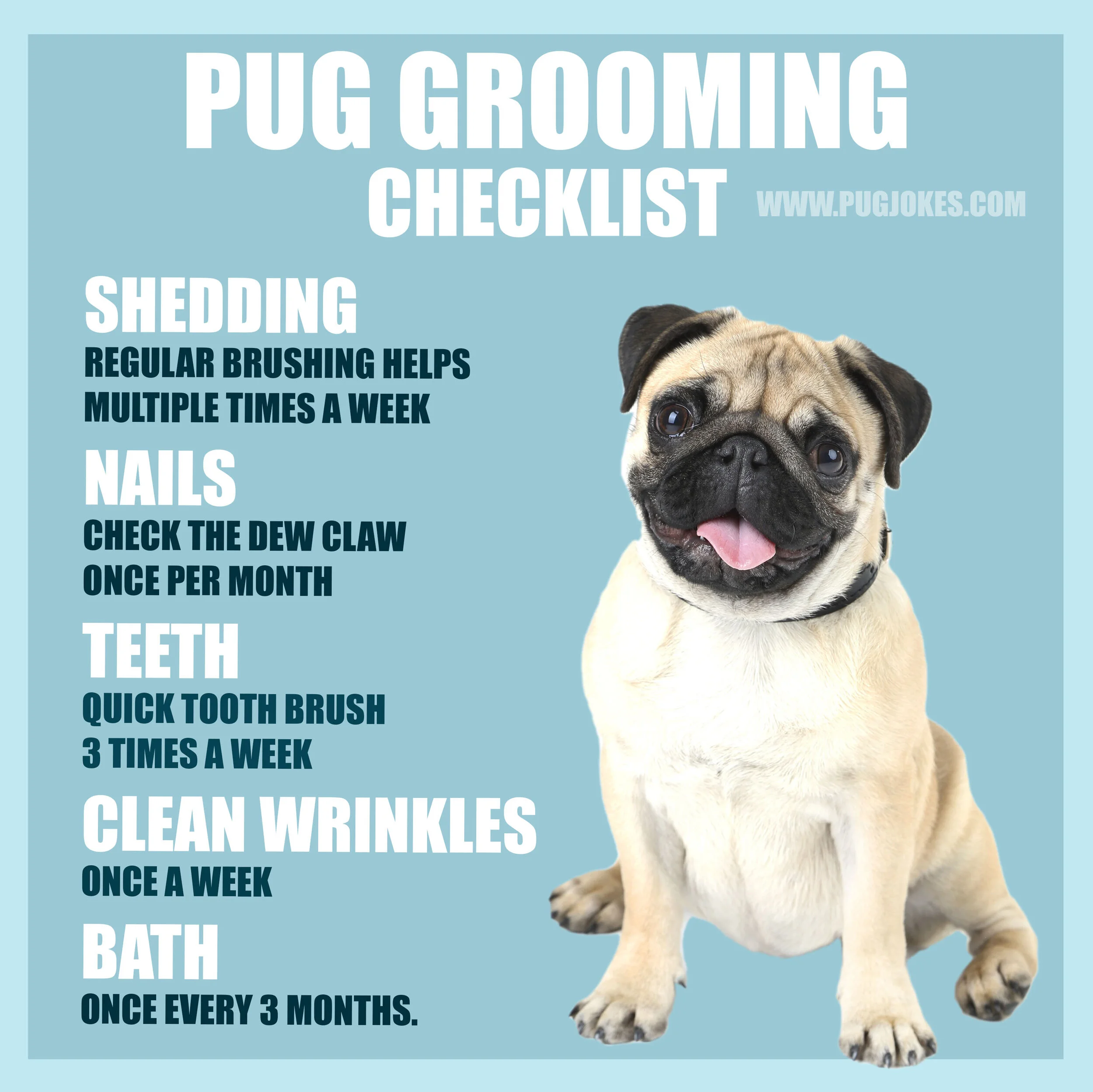
The pugalier’s coat requires moderate maintenance.
Shedding levels are moderate. Seasonal shedding may increase, especially in warmer climates.
Because of potential ear structure inherited from the Cavalier side, moisture buildup can lead to infections if not monitored.
The pugalier responds well to positive reinforcement techniques. Harsh correction methods are generally counterproductive due to their sensitive temperament.
They are intelligent but may display mild stubbornness inherited from the Pug lineage. Patience and consistency are key.
Excessive isolation is not ideal. The breed thrives in engaged, interactive households.
The pugalier breed has gained visibility through digital platforms, pet-focused content channels, and social storytelling ecosystems. In an era where pets frequently become part of personal branding and online narratives, their expressive faces and affectionate nature resonate strongly with audiences.
The pugalier fits within the broader narrative of curated lifestyle integration—where companionship, aesthetics, and adaptability converge.
Importantly, popularity should not overshadow responsible ownership. Viral visibility does not replace informed decision-making.
Choosing a companion animal is both emotional and practical. The pugalier breed may be suitable if you:
It may not be ideal if you:
Long-term planning ensures alignment between lifestyle and animal welfare.
Hybrid dogs sometimes raise questions about breeding ethics. Responsible breeders focus on:
Adoption is also an option. Mixed-breed rescue organizations sometimes list pugalier-type dogs. Evaluating both breeder and rescue pathways aligns with modern ethical standards.
Avoid purchasing from high-volume commercial facilities or sellers unwilling to provide documentation.
A pugalier is a mixed-breed dog resulting from crossing a Pug with a Cavalier King Charles Spaniel. It combines affectionate and companion-oriented traits from both parents.
Most pugaliers weigh between 10–20 pounds and stand 10–14 inches tall at the shoulder.
Yes, they are generally gentle, social, and good with children when properly socialized.
Some may inherit mild brachycephalic traits from the Pug parent, but a slightly longer muzzle can reduce severity. Health varies by genetics.
Their average lifespan is typically 12–15 years with proper care and preventative health management.
The pugalier breed reflects more than a simple cross between two established dogs—it mirrors contemporary values of balance, emotional intelligence, and intentional living. In a world shaped by digital engagement and evolving lifestyle norms, companion animals increasingly represent identity and connection.
For individuals and families seeking a small, affectionate, and adaptable dog, the pugalier offers compelling qualities. However, thoughtful research, ethical sourcing, and long-term commitment remain essential foundations of responsible ownership.
As pet culture continues to evolve alongside digital storytelling and community-building platforms, the pugalier breed stands as a quiet but meaningful example of how tradition and innovation can merge—creating not just a companion, but a lasting relationship grounded in trust and care.