 11
11
In an era defined by algorithms, online communities, and the rapid evolution of digital storytelling, iconic characters have taken on new meaning. They are no longer confined to comic panels or cinema screens; they function as platforms for identity, debate, and cultural reflection. Among the most compelling examples is magneto magnus or erik, a character whose layered persona has transcended traditional superhero narratives to become a symbol of ideological tension, branding evolution, and digital-age relevance.
This article explores Magneto not merely as a fictional figure, but as a modern digital concept — one that represents innovation in character design, ethical complexity in storytelling, and long-term audience engagement across platforms.


4
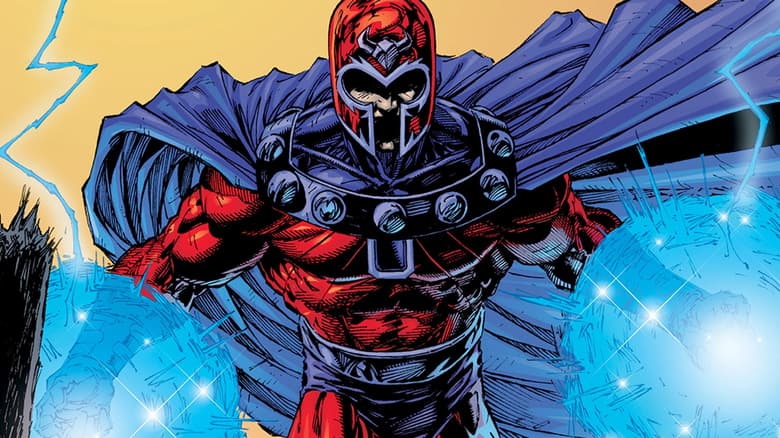
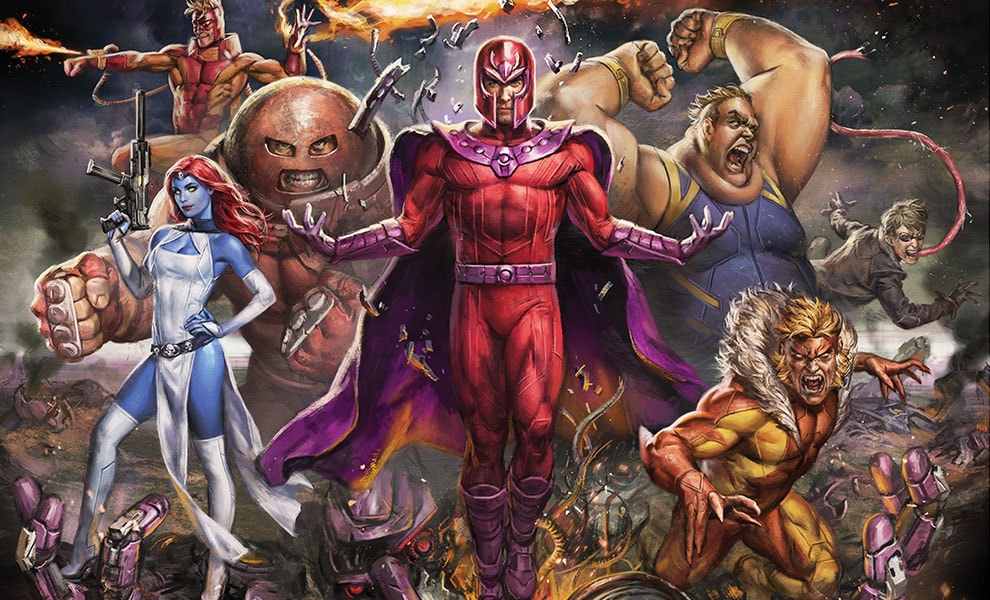
Magneto, born Erik Lehnsherr (also known as Magnus), first appeared in X-Men #1 in 1963, created by Stan Lee and Jack Kirby. Initially portrayed as a classic supervillain opposing Professor Charles Xavier, Magneto quickly evolved into something far more nuanced.
His backstory — that of a Holocaust survivor — reframed his motivations. Rather than seeking domination for its own sake, he sought protection and superiority for mutantkind in a world that feared and oppressed them.
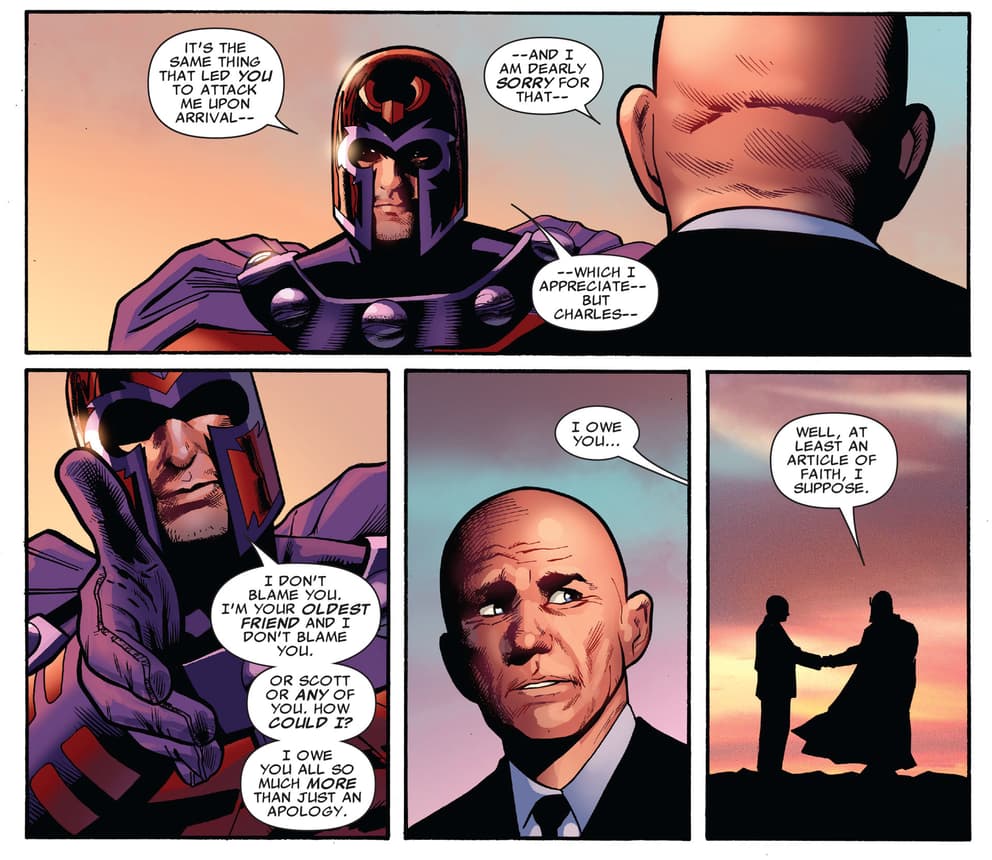
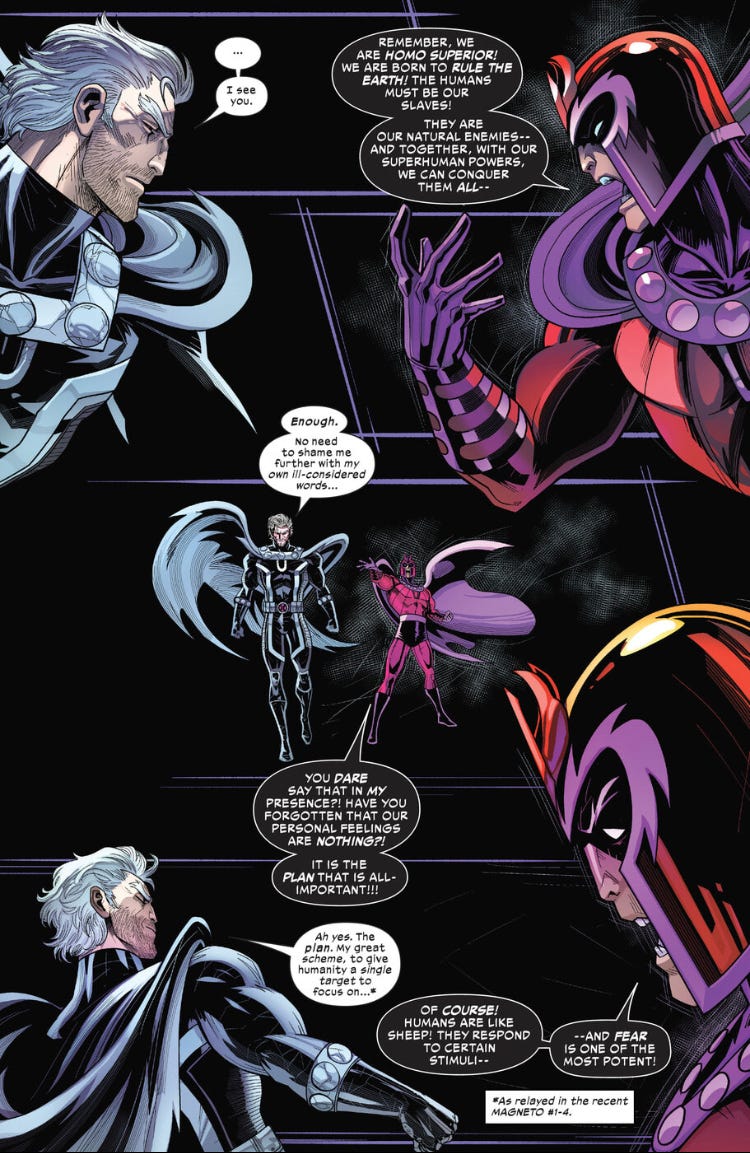
Over time, the binary of hero versus villain dissolved. The conversation shifted from Is he evil? to Is he justified?
That transformation is central to understanding magneto magnus or erik as a digital-age archetype:
4
Modern digital culture thrives on ideological dialogue. Online platforms amplify debates around justice, identity, power, and social change. In that context, Magneto functions as more than a character — he becomes a conceptual lens for examining:
His philosophical opposition to Professor X mirrors real-world debates between integration and separation, reform and revolution.
The tension between names — Magnus and Erik — reflects layered identity construction.
This mirrors digital identity formation today. Individuals curate personas across platforms, blending personal history with aspirational positioning. Like influencers or public intellectuals, Magneto manages narrative control.
Understanding magneto magnus or erik means recognizing how identity functions as both story and strategy.


4
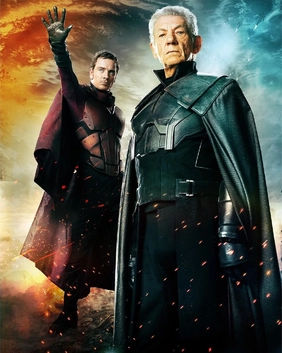
Few fictional figures demonstrate cross-platform adaptation as effectively as Magneto.
In comics, Magneto’s evolution spans decades. Writers reinterpret his ideology based on contemporary social climates, making him perpetually relevant.
Animated series such as X-Men: The Animated Series introduced younger audiences to his complexity without oversimplifying his motives.
Portrayals by Ian McKellen and Michael Fassbender brought gravitas and emotional depth, emphasizing trauma and ideological conviction.
Fan forums, social media discourse, and video essays continuously reinterpret his narrative, reinforcing:
This multi-platform presence reflects modern content ecosystems where intellectual property becomes a living, evolving entity.
In the modern content economy, branding determines longevity. Magneto’s visual and ideological consistency offer lessons in:
These elements ensure immediate recognition — critical in attention-fragmented digital spaces.
Unlike static villains, Magneto’s narrative adapts. He can be:
This flexibility supports sustained engagement across generations.
Different demographics interpret Magneto differently:
The ability to serve multiple interpretive communities strengthens long-term cultural impact.
The rise of digital activism has reshaped how stories are consumed. Characters who embody systemic critique gain renewed visibility.
Magneto represents:
In online discourse, characters like him spark analysis threads, think pieces, and long-form essays — key drivers of organic search traffic and sustained engagement.
Rather than offering simple moral answers, Magneto invites debate.
That ambiguity aligns with modern audiences who increasingly reject one-dimensional narratives.
From a storytelling perspective, Magneto is an advanced case study in character construction.
His childhood experiences inform every strategic decision. This provides psychological continuity across story arcs.
Magnetism becomes metaphor:
Despite leadership status, Magneto remains isolated — a common trait among ideological extremists.
These dimensions contribute to durable audience interest and ongoing reinterpretation.


4
Magneto’s influence extends beyond official publications.
Fan art, cosplay, and digital storytelling reinterpret his ideology and aesthetic. This participatory culture strengthens brand resilience.
Scholars analyze Magneto through lenses of:
In social media environments, his quotes and scenes circulate as shorthand for broader cultural commentary.
This organic digital afterlife ensures continued visibility — a critical factor in search relevance.
Few fictional figures sustain relevance for over six decades. Magneto achieves this through:
Unlike characters dependent on spectacle alone, he thrives on philosophical depth.
As digital storytelling becomes more fragmented — spanning streaming platforms, interactive media, and AI-assisted narratives — ideologically rich characters remain adaptable.
Magneto’s core question remains timeless:
How far is too far when fighting injustice?
That question transcends medium.
Magneto is a Marvel Comics character introduced in 1963 as a primary antagonist of the X-Men. His real name is Erik Lehnsherr, and he is a mutant with the ability to control magnetic fields.
“Magnus” has appeared as an alias in certain storylines. It reinforces his mythic, larger-than-life persona compared to his human identity as Erik.
Magneto occupies a moral gray area. While often portrayed as an antagonist, many story arcs depict him as a protector of mutantkind with complex motivations.
His backstory, ideological conflict, and evolving role across media platforms have made him a symbol of resistance, identity politics, and ethical ambiguity in storytelling.
In today’s digital ecosystem, characters are no longer static creations. They are dynamic intellectual properties shaped by creators, audiences, and evolving cultural contexts. Magneto exemplifies this transformation.
Viewed through the lens of digital storytelling and identity construction, magneto magnus or erik represents:
His legacy demonstrates how fictional figures can operate as conceptual platforms — spaces where audiences negotiate values, ethics, and collective identity.
As digital culture continues to prioritize layered storytelling and participatory engagement, characters like Magneto remain not just relevant but essential.
In that sense, magneto magnus or erik is more than a name. It is a living case study in how myth, media, and modern identity intersect in the digital age.