 11
11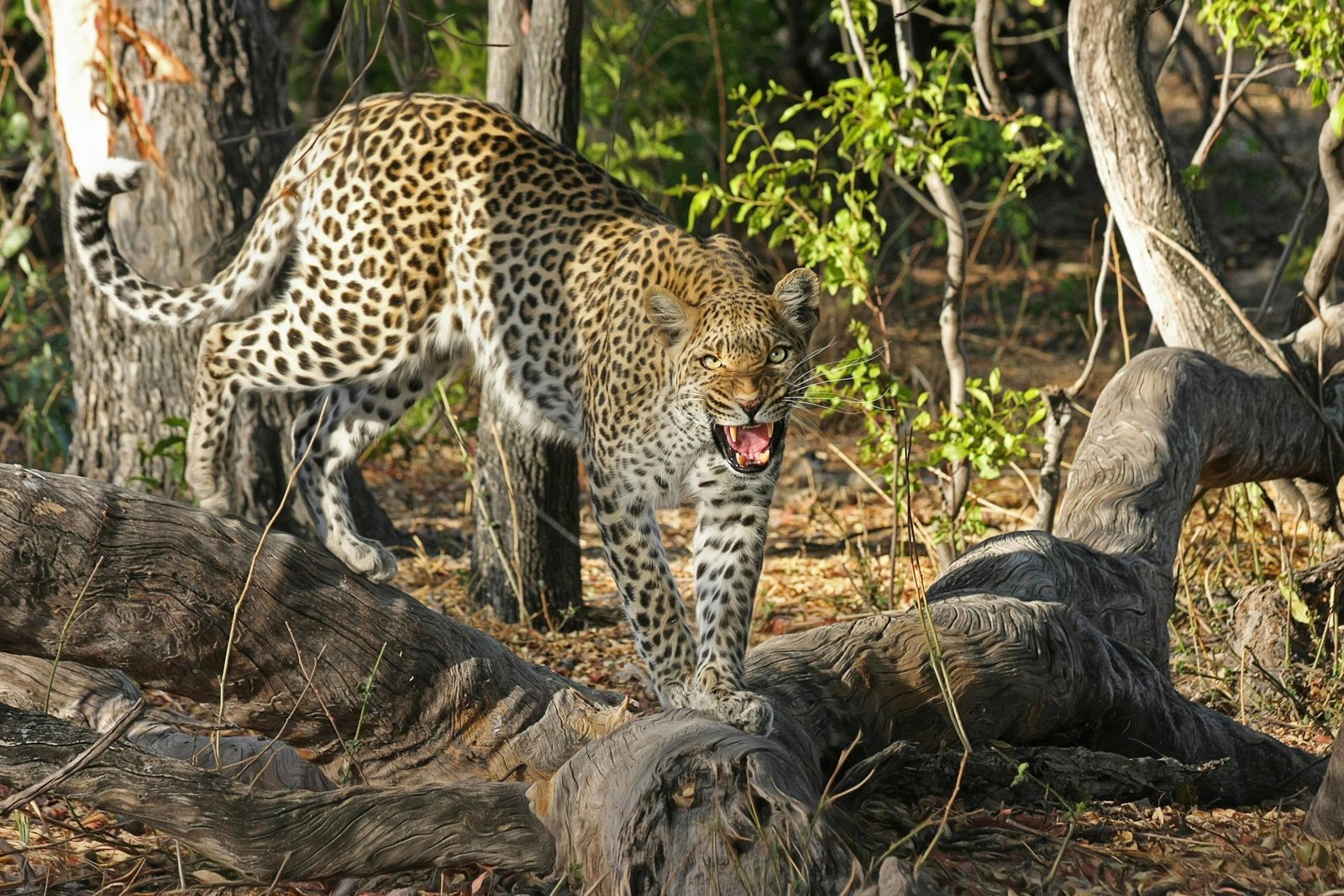
In today’s digital culture, stories no longer live only in textbooks or documentaries. They evolve across platforms, shaped by data, digital storytelling, and audience engagement. The north china leopard shanxi comeback represents more than a wildlife recovery—it reflects how modern ecosystems, technology, and digital narratives intersect to create a powerful conservation identity.
What once might have been a regional environmental update has transformed into a broader concept: a case study in innovation, ecological branding, and science-backed recovery. Through advanced monitoring systems, transparent reporting, and digital awareness campaigns, the resurgence of the North China leopard in Shanxi has become both a conservation milestone and a symbol of how modern platforms amplify environmental progress.
This article explores the comeback not only as an ecological event—but as a digital-age phenomenon reshaping how we understand biodiversity, storytelling, and sustainable engagement.
The modern conservation landscape has changed dramatically over the past decade. Instead of isolated field reports, wildlife recovery stories now circulate through:
In this context, the north china leopard shanxi comeback becomes part of a larger digital ecosystem.
Conservation is no longer invisible. It is measured, visualized, and shared in real time.
This transformation reflects three major shifts:
Shanxi’s leopard resurgence demonstrates how digital platforms influence both perception and policy.
The North China leopard (Panthera pardus japonensis) is one of the rarest leopard subspecies globally. Historically distributed across northern China’s mountainous forests, it faced steep declines due to:
By the early 21st century, its survival appeared uncertain.
However, Shanxi emerged as a critical refuge. Mountainous terrain, reforestation initiatives, and enhanced protection measures created a foundation for recovery.
Today, camera trap images documenting females with cubs serve as powerful digital artifacts—visual proof of ecological revival.
The phrase north china leopard shanxi comeback increasingly functions as more than a headline. It represents a replicable framework grounded in science, governance, and innovation.
Fragmented landscapes once isolated leopard populations. Conservation authorities prioritized:
Connectivity allows genetic exchange, territorial expansion, and long-term viability.
Modern wildlife management integrates advanced tools:
Data-driven conservation enhances accuracy and reduces speculation. It also supports policy decisions grounded in measurable outcomes.
Recovery depends not only on predators but also on prey populations such as roe deer and wild boar. Protective regulations and anti-poaching enforcement have stabilized these populations, restoring ecological balance.
Local communities are essential stakeholders. Compensation systems for livestock losses and environmental education programs reduce human-wildlife conflict and promote coexistence.
Together, these elements transform a local recovery story into a scalable conservation platform.
In a connected world, environmental recovery shapes regional narratives.
The north china leopard shanxi comeback has influenced:
Digital storytelling turns wildlife recovery into a shared cultural narrative.
Key characteristics of effective ecological branding include:
Unlike promotional campaigns, this form of branding relies on measurable ecological outcomes. Its authority stems from science.
Apex predators regulate entire ecosystems. When leopard populations recover, cascading benefits follow:
In Shanxi’s mountainous landscapes, improved forest health contributes to carbon sequestration and soil stabilization—outcomes relevant to climate adaptation strategies.
The comeback therefore intersects with broader sustainability objectives.
Transparency strengthens trust.
Researchers in Shanxi use camera trap networks that capture timestamped, geolocated imagery. AI-assisted analytics reduce human error and improve identification accuracy.
Benefits of transparent conservation data include:
Digital platforms allow real-time sharing without compromising sensitive location data.
In this way, the north china leopard shanxi comeback exemplifies how technology enhances accountability.
Modern audiences value authenticity. Wildlife recovery stories must avoid exaggeration.
Shanxi’s conservation communication emphasizes:
This approach aligns with E-E-A-T principles:
By maintaining neutrality, the narrative gains credibility.
Despite encouraging progress, risks persist.
Infrastructure expansion continues to pose barriers to migration.
Small populations require ongoing monitoring to maintain diversity.
Livestock predation incidents can strain local relationships.
Changing precipitation patterns may influence prey availability and habitat quality.
Recovery is not linear. Long-term success depends on sustained investment and adaptive management.
Positioned as a concept, the north china leopard shanxi comeback represents an intersection of:
It illustrates how conservation adapts to the digital age.
Key innovation pillars include:
Such systems reduce uncertainty and strengthen resilience.
The Shanxi model offers insights applicable beyond China.
Globally, large carnivore recovery requires:
Digital platforms accelerate knowledge exchange across borders. Lessons learned in Shanxi can inform similar efforts worldwide.
In a time of accelerating biodiversity loss, measurable success stories provide cautious optimism.
The North China leopard (Panthera pardus japonensis) is a rare leopard subspecies native to northern China, particularly mountainous forest regions.
Shanxi provides suitable habitat, protected areas, and active monitoring programs that support population stabilization and breeding success.
Conservationists employ GPS collars, camera traps, AI image recognition, and GIS mapping to track movements, monitor health, and analyze habitat connectivity.
No. While trends are positive, long-term stability requires continued habitat protection, genetic monitoring, and conflict mitigation.
Apex predator recovery strengthens ecosystem balance, enhances biodiversity, and supports broader sustainability objectives.
Environmental recovery in the digital era is no longer invisible. It is mapped, tracked, analyzed, and shared.
The north china leopard shanxi comeback embodies a modern conservation identity—rooted in science, strengthened by technology, and shaped by transparent storytelling.
Its success reflects collaboration rather than spectacle.
Looking ahead, sustained ecological health in Shanxi will depend on:
The story is still unfolding. Yet it demonstrates that when conservation aligns with innovation and digital engagement, measurable recovery is possible.
In that sense, the north china leopard shanxi comeback stands not just as a regional wildlife update, but as a blueprint for how ecosystems—and the narratives surrounding them—can evolve together in the modern age.