 11
11
In today’s digital culture, virtual economies are no longer side mechanics — they are identity systems. From social tokens to in-game currencies, digital value increasingly shapes how users interact with platforms, narratives, and each other. Long before blockchain discussions and creator monetization models dominated headlines, video games were already experimenting with sophisticated economic ecosystems. One notable example is drebin points, a fictional currency embedded within a complex narrative about war, control, and survival.
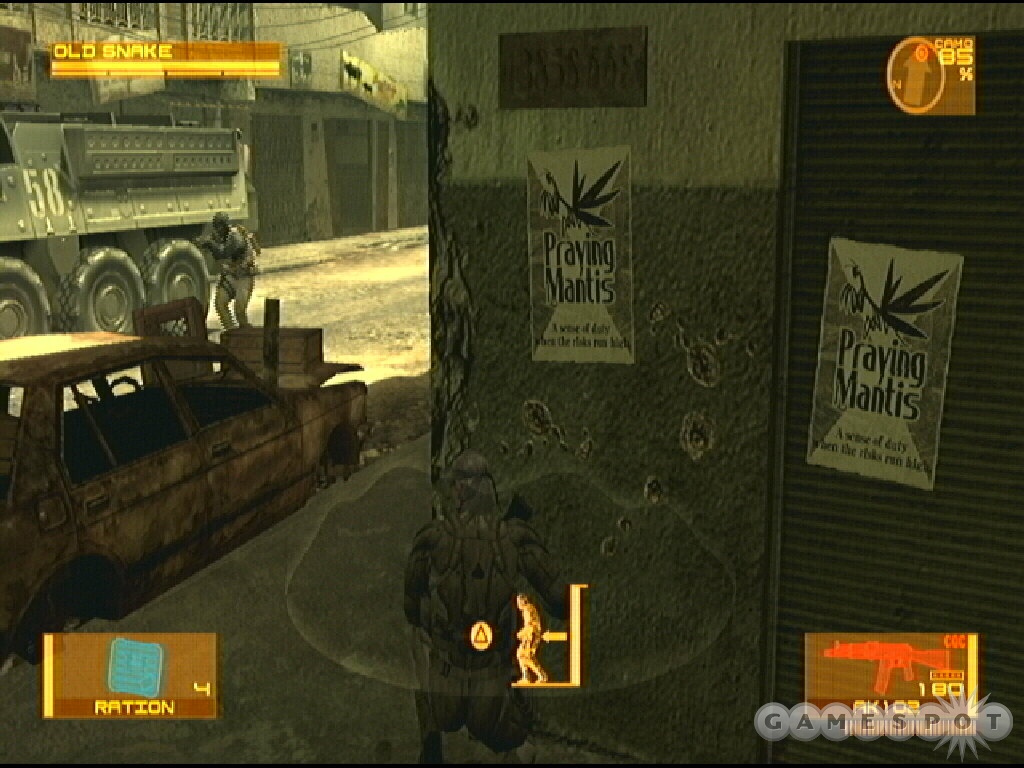
Inside Metal Gear Solid 4: Guns of the Patriots, drebin points function as more than a gameplay mechanic. They represent a fully integrated economic philosophy — one that mirrors modern digital platforms where systems, data, and power converge.
This article explores drebin points as:
By examining their structure and purpose, we gain insight into how digital ecosystems construct value — and how players participate within them.

4
At the most functional level, drebin points are the in-game currency used in Metal Gear Solid 4. Players earn them through battlefield activity and exchange them for weapons, upgrades, and equipment via an arms dealer named Drebin 893.
But their purpose extends beyond transaction.
Unlike traditional game currencies that exist as collectible coins or visible pickups, drebin points are abstract. They do not appear physically in the world. Instead, they accumulate automatically when:
This abstraction reinforces a key theme of the game: war has become digitized, regulated, and monetized through invisible systems.
To understand drebin points fully, we must examine the environment that sustains them.
In the world of Metal Gear Solid 4, warfare is controlled by a centralized AI system called SOP (Sons of the Patriots). This network regulates soldiers, weapons, permissions, and battlefield engagement. Every firearm is ID-locked. Every transaction is tracked.
Within this framework:
Drebin operates as an intermediary inside this digital war infrastructure. He launders weapons, removes ID restrictions, and redistributes arms to the player. The currency he uses reflects this systemic monetization.
The result is a simulated economy that feels remarkably similar to modern digital platforms where:
In this way, drebin points operate as a conceptual bridge between narrative fiction and real-world digital systems.



4
Unlike linear reward systems, the accumulation of drebin points requires player awareness and environmental engagement.
The primary method of earning currency is collecting weapons from the battlefield.
This encourages exploration over brute force. Players are incentivized to scavenge rather than simply eliminate enemies.
Emblems function as achievement-based performance markers.
For example:
These rewards reflect behavioral outcomes — stealth, aggression, caution, recklessness — reinforcing that performance shapes economic gain.
During the return to Shadow Moses Island, players can earn bonus currency by allowing certain flashbacks to play uninterrupted. Moving too quickly forfeits the reward.
This design choice subtly ties attention and patience to value creation — a concept that mirrors modern engagement-based platforms where time-on-platform translates to measurable benefit.
Beyond mechanics, drebin points symbolize a deeper philosophical tension: value derived from destruction.
Every point earned is tied to weapons circulation. Even when purchased peacefully, items originate from conflict.
This economic loop communicates several layered themes:
The character of Drebin is not portrayed as villain or hero. He is adaptive. He survives by understanding the system rather than resisting it.
In this way, drebin points represent a neutral currency in a morally ambiguous ecosystem — much like data, engagement metrics, or platform tokens in today’s digital environments.
A pivotal narrative moment occurs when Liquid Ocelot hacks the SOP system, destabilizing global battlefield regulation.
When centralized control collapses:
Drebin adapts by lowering prices. The currency remains functional, but its purchasing power shifts.
This mirrors real-world digital disruptions where:
The fictional economy responds dynamically to systemic instability — reinforcing its realism.
Modern content platforms often emphasize identity construction through digital assets. Skins, upgrades, tokens, and unlockables serve as markers of progression.
Similarly, drebin points allow players to:
Economic choice becomes identity expression.
Rather than being forced into predefined progression, players decide how to allocate resources. This agency fosters ownership — a hallmark of strong digital engagement design.
Although released in 2008, the structure behind drebin points anticipated several trends now common in digital spaces:
In contemporary terms, this resembles:
While fictional, the system demonstrates early conceptual alignment with today’s innovation patterns.
The longevity of this concept lies in its integration.
Many games include currency systems. Few embed them so tightly into narrative architecture. In Metal Gear Solid 4, economy is not a feature layered onto gameplay — it is foundational.
The system:
From an analytical standpoint, drebin points serve as a case study in cohesive game design.
They illustrate how:
For researchers studying digital storytelling or platform design, this remains a noteworthy example of integrated ecosystem thinking.
They are used to purchase, unlock, and upgrade weapons and equipment within Metal Gear Solid 4 through Drebin’s in-game shop.
Players earn currency by collecting weapons, converting duplicates, achieving emblems, and engaging with certain narrative sequences.
No. They exist as an abstract currency tracked through menus rather than physical collectibles.
Yes. When the SOP system collapses due to narrative events, market conditions shift and pricing structures adjust.
Because they reflect the game’s core idea: warfare has become regulated, commodified, and sustained by systemic infrastructure rather than ideology alone.
In a media environment increasingly defined by digital platforms and invisible infrastructures, the design of virtual economies reveals deeper truths about engagement and control. Drebin points function as both currency and commentary — a system that quietly critiques the monetization of conflict while empowering player choice.
Their significance extends beyond gameplay mechanics. They anticipate modern conversations about digital assets, regulated ecosystems, and value creation through participation.
Within the narrative framework of Metal Gear Solid 4, drebin points are not simply transactional tools. They are structural metaphors for a world where data governs action and profit outlives principle.
And in that sense, they remain one of the more sophisticated examples of how digital systems can tell stories without ever saying a word.