 11
11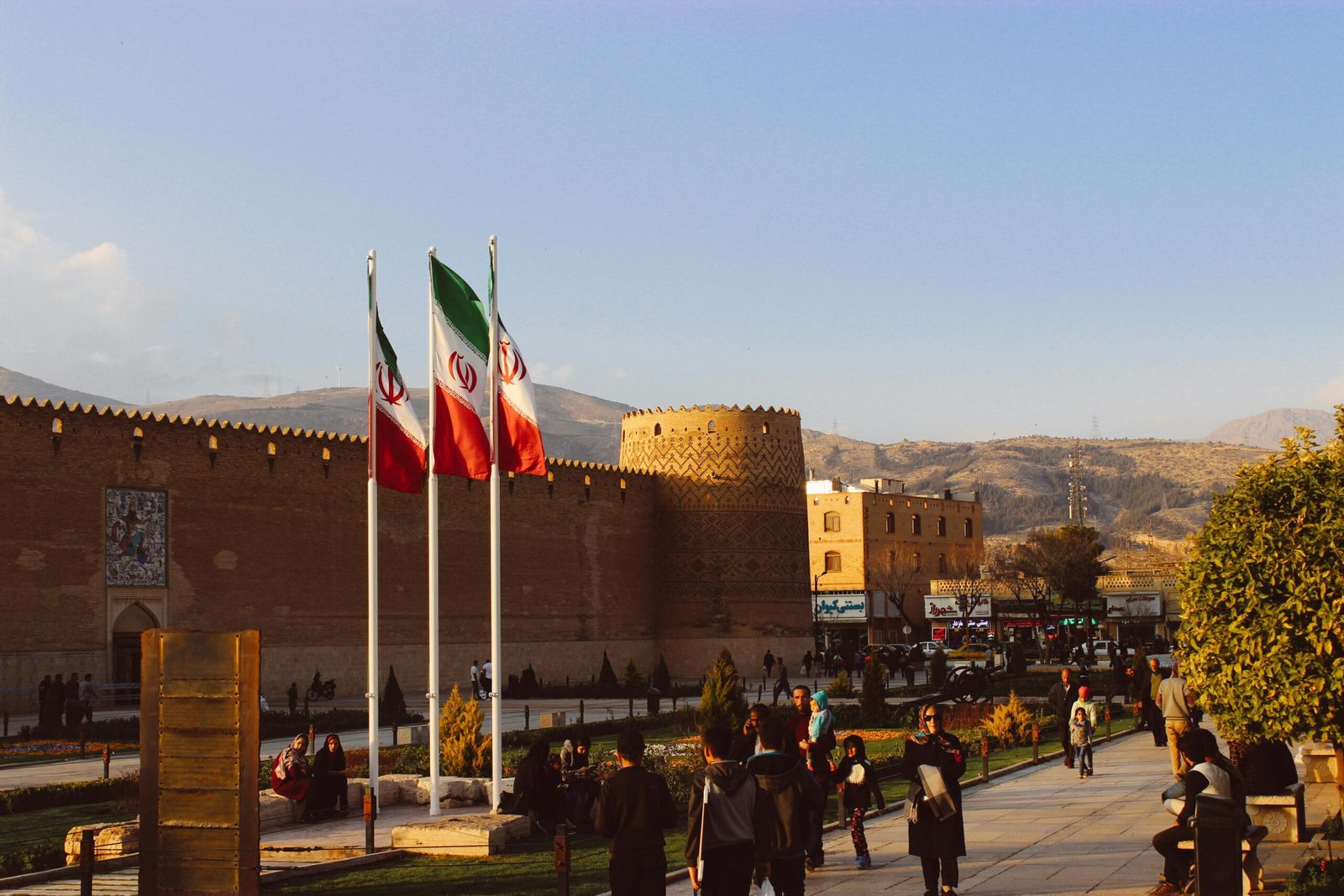
In today’s digital landscape, platforms are no longer just technical tools—they are cultural spaces where identity, storytelling, and community intersect. As digital ecosystems evolve, new concepts emerge that blend technology with emotion, creativity, and belonging. Among these emerging ideas, iranproud represents more than a name or platform; it reflects a broader shift in how communities express heritage, values, and narratives in a global digital environment.
This article explores the concept of iranproud as a digital identity, a cultural framework, and a potential platform model. By examining its structure, significance, and future implications, we can better understand how modern digital concepts shape collective identity and engagement in an interconnected world.
Digital concepts today extend far beyond software or websites. They represent ecosystems of meaning where users co-create narratives and identities. These concepts typically integrate:
Unlike traditional platforms that focus purely on functionality, modern digital concepts operate at the intersection of culture, identity, and innovation. They evolve dynamically as communities interact with them, shaping their meaning over time.
This shift marks a transition from static digital tools to living digital identities—spaces where users don’t just consume content but actively contribute to its evolution.
At its core, iranproud as a digital identity can be understood as a conceptual framework where cultural pride, narrative expression, and digital interaction converge. Rather than functioning solely as a technical platform, it symbolizes a digital environment where heritage and modernity coexist.
Digital identity has become one of the most powerful forces shaping online behavior. It reflects how individuals and communities present themselves in virtual spaces. A digital identity framework typically involves:
In this context, iranproud represents a conceptual identity space where digital culture meets collective memory. It highlights how digital platforms can act as repositories of stories, traditions, and modern expressions.
One of the defining characteristics of modern digital concepts is storytelling. Digital storytelling transforms fragmented content into cohesive narratives that resonate with audiences. Within such a framework:
By functioning as a narrative-driven identity space, iranproud illustrates how digital concepts can preserve cultural memory while adapting to contemporary communication styles.
Understanding the architecture and ecosystem of iranproud requires examining how modern digital concepts are structured. Unlike traditional platforms, these ecosystems are not linear; they are layered networks of interaction, content, and meaning.
A modern digital ecosystem typically includes three core layers:
Within such a framework, iranproud can be seen as a conceptual ecosystem where these layers interact dynamically, shaping both individual experiences and collective meaning.
Modern digital concepts thrive on participation. Engagement is no longer passive; it is interactive and collaborative. Key engagement drivers include:
These dynamics transform users from consumers into co-creators, reinforcing the idea that digital concepts are co-authored by communities rather than controlled by single entities.
Unlike traditional brands, modern digital concepts often operate without overt commercialization. Their branding is subtle, rooted in values and narratives rather than products. This type of branding:
In this sense, iranproud exemplifies how digital identities can function as symbolic brands—representing ideas rather than commodities.
Digital identity concepts influence not only online behavior but also offline perceptions of culture and belonging. They reshape how communities understand themselves in a globalized digital environment.
One of the most significant roles of modern digital concepts is bridging traditional heritage with contemporary expression. This process involves:
By facilitating this bridge, iranproud illustrates how digital spaces can preserve heritage while encouraging innovation.
Digital platforms operate globally, but their meaning is often rooted in local contexts. This duality creates a unique tension:
Such dynamics highlight the power of digital concepts to connect communities across geographical boundaries while maintaining cultural specificity.
Trust is a critical factor in the success of any digital concept. Authenticity is built through:
When users perceive a digital identity as authentic, they are more likely to engage deeply and contribute meaningfully.
Modern digital concepts are not static; they evolve continuously in response to technological and cultural shifts. Innovation plays a central role in this evolution.
Technological advancements influence how digital identities are constructed and experienced. Key innovations include:
These technologies expand the possibilities of digital storytelling and community engagement.
Beyond technology, conceptual innovation shapes how digital identities are framed. This involves:
By embodying these principles, iranproud reflects a broader trend toward value-driven digital ecosystems.
For a digital identity concept to remain relevant, it must be sustainable. Sustainability depends on:
Sustainable digital concepts balance innovation with stability, ensuring long-term relevance and trust.
Exploring the future trajectories of iranproud requires examining how digital identity concepts may evolve in the coming years. As technology and culture continue to intersect, such concepts are likely to become more complex and influential.
Future digital identity frameworks may integrate advanced technologies such as:
These integrations could transform digital concepts into multidimensional experiences rather than static platforms.
Community-driven models are expected to play an increasingly important role in shaping digital identities. This shift may involve:
Such developments would reinforce the idea that digital concepts are collective creations rather than top-down systems.
As digital identity concepts grow in influence, ethical considerations become crucial. Key concerns include:
Addressing these challenges will determine whether digital concepts remain constructive forces in society.
To fully understand the significance of modern digital identities, it is useful to compare them with traditional digital platforms.
| Aspect | Traditional Platforms | Modern Digital Concepts |
|---|---|---|
| Purpose | Functional utility | Identity and narrative |
| User Role | Consumer | Co-creator |
| Branding | Product-focused | Value-driven |
| Engagement | Transactional | Emotional and cultural |
| Evolution | Technological | Cultural + technological |
This comparison highlights how digital concepts like iranproud represent a paradigm shift in how online spaces are designed and experienced.
Digital identity concepts have tangible implications for creators, communities, and digital strategists.
Creators benefit from digital identity frameworks by:
Communities gain:
Strategists can learn from modern digital concepts by:
1. What is a digital identity concept?
A digital identity concept is a framework where technology, culture, and community intersect to create a shared online identity rather than just a functional platform.
2. How does digital storytelling influence online communities?
Digital storytelling fosters emotional engagement, strengthens community bonds, and helps users connect through shared narratives and experiences.
3. Why are community-driven platforms more influential today?
Community-driven platforms empower users as co-creators, increasing authenticity, trust, and long-term engagement.
4. How do digital concepts differ from traditional websites?
Digital concepts focus on identity, culture, and participation, while traditional websites primarily emphasize functionality and information delivery.
The evolution of digital platforms into identity-driven ecosystems marks a profound shift in how people interact, express themselves, and build communities online. Concepts like iranproud illustrate how digital spaces can transcend technical functionality to become cultural and narrative environments. By integrating storytelling, community participation, and technological innovation, such digital identities redefine what it means to belong in the digital age.
As digital culture continues to evolve, understanding frameworks like iranproud will be essential for creators, communities, and strategists seeking to navigate the future of online identity and engagement.