 11
11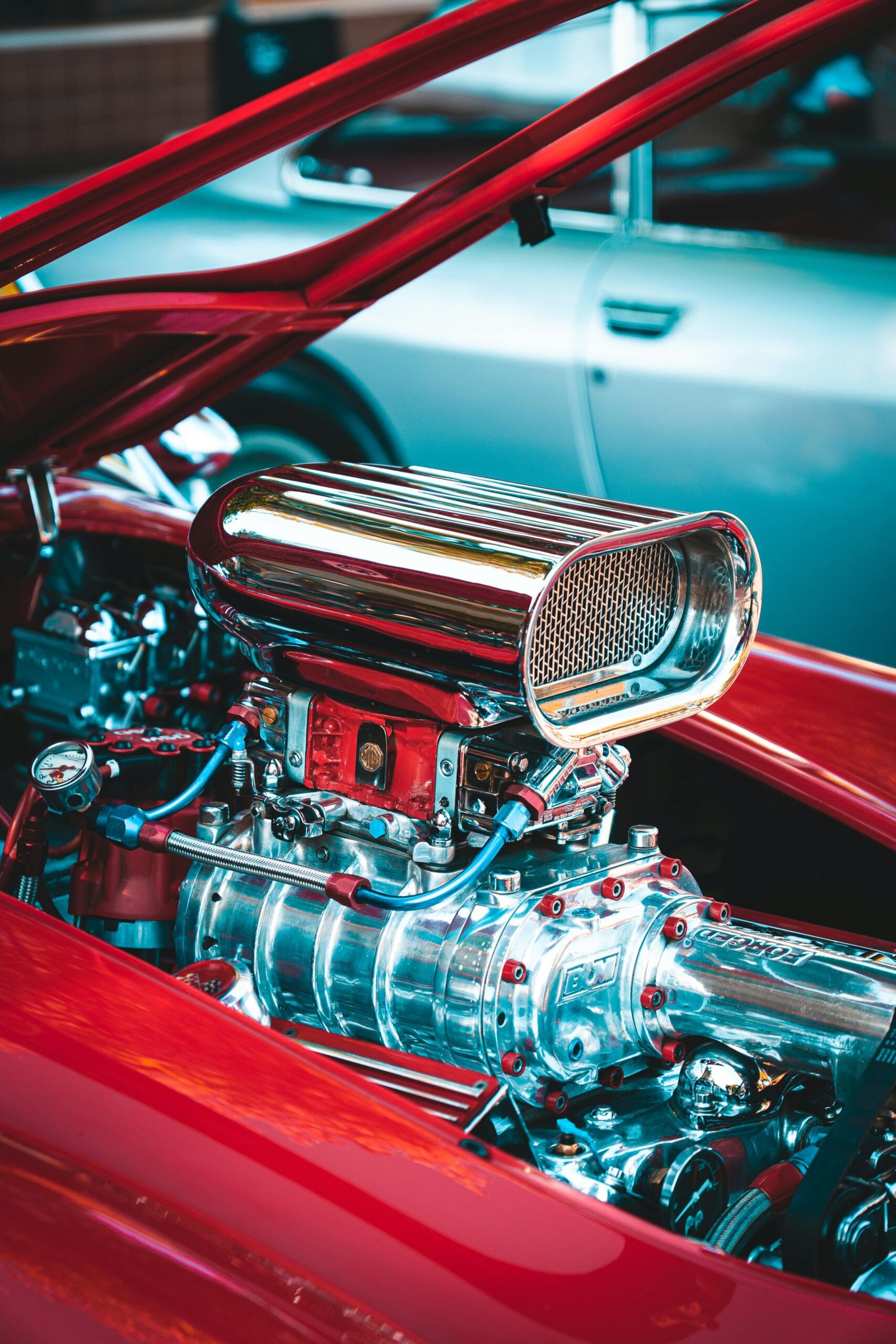
Digital culture has transformed how we interpret history. Classic machines are no longer confined to garages, auction houses, or museum floors. They exist in high-resolution archives, social platforms, enthusiast forums, and creator-driven storytelling ecosystems. In this environment, heritage vehicles become more than mechanical artifacts — they evolve into digital symbols of innovation and identity.
The 1955 chevy nomad ridler award represents exactly that kind of transformation. It is not simply about a restored station wagon winning a prestigious trophy. It is a concept that bridges craftsmanship, competitive excellence, and cultural storytelling — both on the show floor and across modern content platforms.
This article explores the 1955 Chevrolet Nomad, the Ridler Award, and how their intersection became a benchmark of excellence in automotive customization — while also shaping digital narratives around authenticity, design, and innovation.
In the modern era, heritage is not static. It is continuously reframed through digital storytelling. Car culture thrives on:
A classic vehicle today carries two forms of value:
When a vehicle earns elite recognition — such as the Ridler Award — its story becomes amplified. The machine transitions from project to platform, from car to cultural reference point.
The Chevrolet Nomad debuted as part of Chevrolet’s “Tri-Five” lineup (1955–1957). It combined wagon practicality with sporty design cues rarely seen in mid-century American vehicles.
Key characteristics included:
The 1955 model year marked a design revolution for Chevrolet. Under the broader umbrella of Chevrolet, the Nomad stood apart for blending performance aesthetics with family utility.
Originally, it was not positioned as a limited collector’s car. Yet decades later, its rarity and design integrity made it a prime candidate for high-end custom builds.
The Ridler Award is one of the most prestigious honors in the custom automotive world. Presented annually at the Detroit Autorama, the award recognizes the most outstanding new custom vehicle debuting at the event.
Criteria typically include:
Unlike standard car show trophies, the Ridler is competitive at an elite level. Builders often invest years — and substantial financial resources — into a single vehicle aiming for this recognition.
Winning does not merely signify excellence. It signifies benchmark status.
When a 1955 Nomad achieves Ridler-level recognition, it represents a symbolic fusion:
The Nomad body style offers a large visual canvas. Builders can reimagine:
This flexibility allows the vehicle to function as both tribute and transformation.
In digital culture, that duality drives engagement. Viewers are drawn to the contrast between 1950s form and 21st-century innovation.
The phrase 1955 chevy nomad ridler award has evolved beyond a search query. It signals a standard of execution in the custom car ecosystem.
From an engineering standpoint, such builds often include:
From a design perspective, they balance:
Winning or even contending for the Ridler demands near-perfection. Panel gaps are measured in millimeters. Surface reflections must remain distortion-free under harsh lighting.
This level of scrutiny elevates the Nomad from classic wagon to rolling sculpture.
In today’s ecosystem, award-winning vehicles are documented extensively:
The 1955 Nomad becomes a content platform. Each stage of fabrication generates engagement.
Digital audiences respond to:
Thus, the vehicle’s value expands beyond physical presence. It becomes part of a broader branding narrative — for builders, sponsors, and restoration shops.
The concept of the 1955 chevy nomad ridler award shapes expectations across the custom industry.
Modern builders studying past Ridler contenders often analyze:
These vehicles serve as case studies in innovation.
Influence manifests in several ways:
This influence reinforces the Ridler as both award and creative catalyst.
Today’s custom Nomads often incorporate:
These enhancements do not erase heritage. Instead, they reinterpret it.
This blend mirrors broader digital transformation trends — where legacy platforms evolve through innovation rather than replacement.
The Nomad becomes symbolic of that philosophy: preserve identity, modernize execution.
Award-winning vehicles experience measurable shifts in valuation.
Factors influencing price include:
Collectors often perceive Ridler-level builds as “reference examples” — not just modified classics, but historical benchmarks within the custom scene.
Digital exposure amplifies this effect. When features circulate across platforms, the car’s narrative strengthens, reinforcing market desirability.
In a digital-first world, identity is shaped by visibility and storytelling.
The 1955 Nomad, when associated with elite recognition, becomes:
It bridges:
The Ridler Award adds institutional authority to that identity.
The continued relevance of the 1955 chevy nomad ridler award lies in its layered meaning.
It represents:
In an era where trends move quickly, enduring symbols matter. The Nomad’s design remains recognizable. The Ridler’s prestige remains intact.
Together, they form a reference point for builders and enthusiasts seeking to merge authenticity with innovation.
The Ridler Award is a top honor presented at the Detroit Autorama to the most outstanding new custom vehicle debuting at the show.
Its distinctive two-door wagon design provides a versatile foundation for extensive modifications while preserving strong visual identity.
Typically, yes. Award pedigree enhances collector perception and market desirability.
Not necessarily. Many are fully customized reinterpretations rather than factory-correct restorations.
Digital platforms expand audience reach, preserve build documentation, and strengthen branding around heritage vehicles.
The story of the 1955 chevy nomad ridler award extends beyond a single vehicle or trophy. It reflects a broader shift in how craftsmanship, heritage, and innovation intersect within digital culture.
A 1955 Nomad recognized at the highest competitive level becomes more than a car. It becomes a narrative platform — embodying technical mastery, design evolution, and cultural continuity. In a world shaped by digital engagement and platform-driven storytelling, such symbols endure because they balance authenticity with forward-thinking execution.
For builders, collectors, and enthusiasts alike, the legacy of the 1955 chevy nomad ridler award remains a benchmark — not only of mechanical excellence, but of how history can be reimagined without losing its soul.